What is animal testing?
Understanding the harmful use of animals in science
Understanding a system most people never see
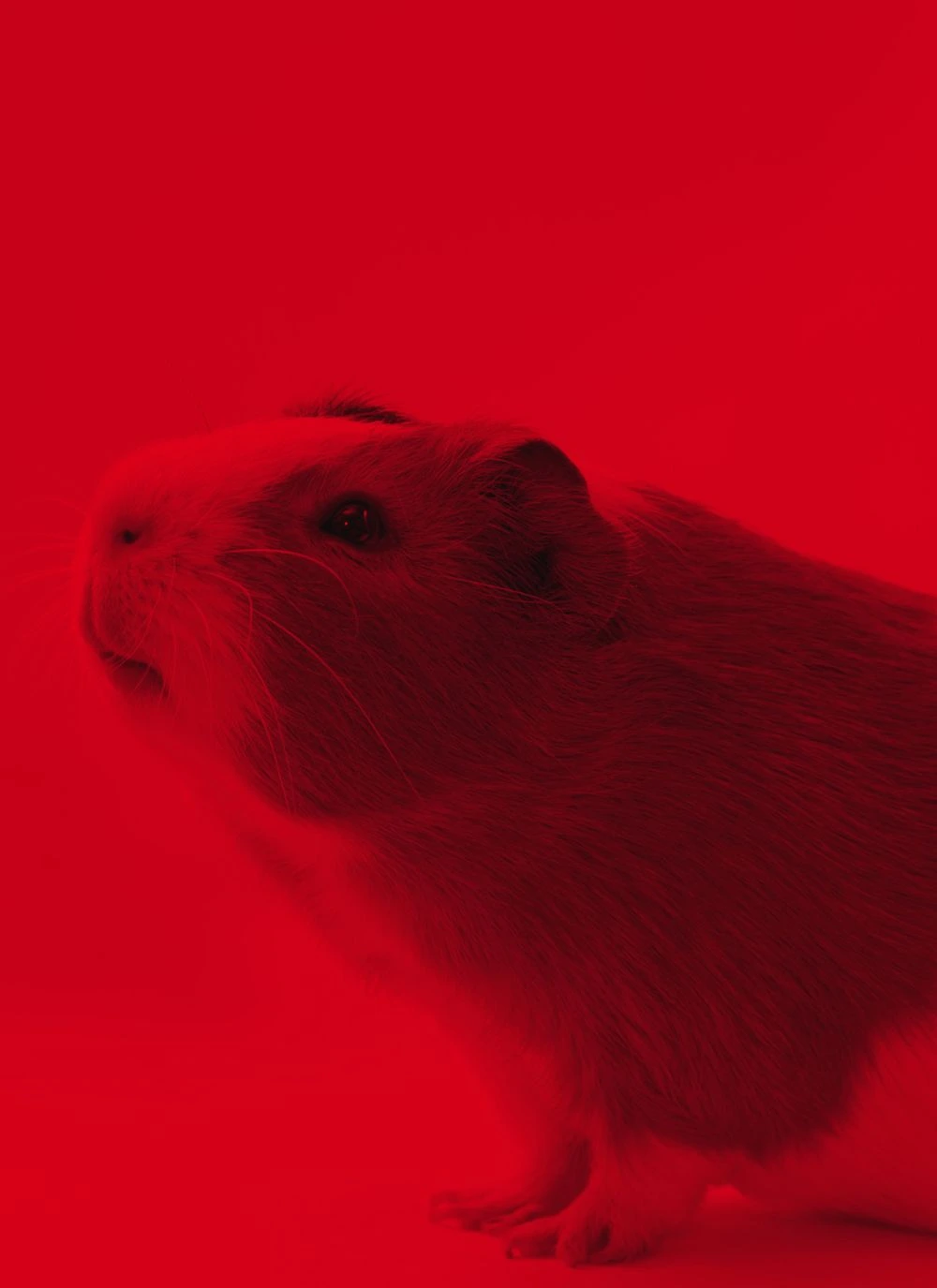
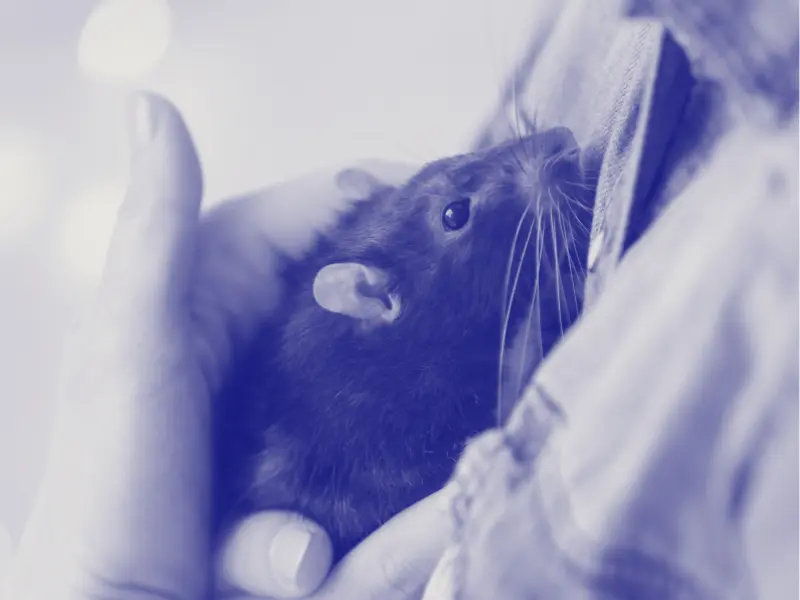
Animal testing refers to scientific procedures carried out on animals to try and evaluate the safety, effectiveness, or quality of substances, products, and medical treatments before they are used by humans, other animals, or released into the environment.
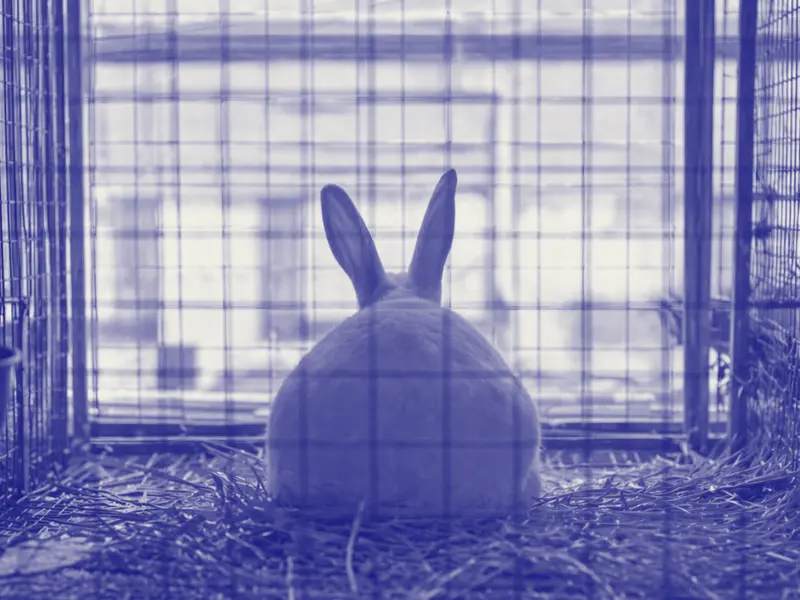
These procedures can involve pain, distress, lasting harm, or death
Many people are surprised to discover that thousands of animals are still used for scientific testing every year in New Zealand alone.
The scientific and ethical concerns
For many people, ethical questions about animal testing are the primary concern. But there are also important scientific limitations to consider.
Results from animal tests do not reliably predict what will happen in humans. This is largely because of fundamental biological differences between species.
A substance that appears safe or effective in animals may behave very differently in the human body.
These limitations are widely recognised among the scientific community, and they are among the reasons researchers are progressively exploring new methods that do not involve the harmful use of animals.
Better scientific methods already exist
Across the world, scientists are developing innovative research methods that can replace many tests used on animals.
These approaches are often referred to as non-animal methodologies (NAMs).
Human cell-based models
Replicate biological processes more accurately than animal testing.
Computer modelling and AI
Predict outcomes without the need for animal experiments.
Organ-on-a-chip technology
Simulates human organ systems in a controlled environment.
Clinical and population data
Uses real human data to guide research and treatment decisions.
Many of these methods are more directly relevant to human biology and can sometimes deliver results faster and more efficiently than traditional animal tests.
However, even when alternatives exist, adoption can be slow.
Regulations, validation requirements, funding priorities, and institutional systems often hinder rapid adoption of new methods.
Where change happens
Progress in science seldom arises from conflict.
Instead, it emerges through collaboration,
research, and systemic change.
That is where Beyond Animal Research works
BAR partners with scientists, institutions, and policymakers to help remove the barriers that slow the transition to modern scientific methods that are free from animal harm.
By supporting this work, people across New Zealand are helping accelerate a future in which science can continue to advance without harming animals.
Understanding the terminology
Different terms are often used interchangeably when discussing this issue, but they do not always mean the same thing.
At BAR, we work to end the harmful use of animals in science, which includes animal testing but additionally extends beyond it. Here is how these commonly used terms are generally understood.
Specific tests
Animal testing
Animal testing usually refers to tests conducted on animals to try and evaluate the safety or effectiveness of products, chemicals, or medicines.
Examples may include:
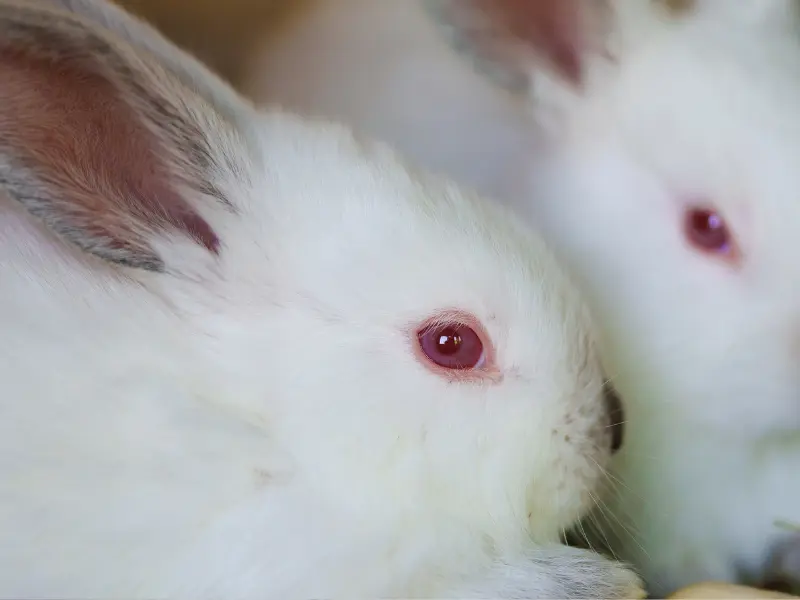
- Applying a substance to a rabbit’s eye to test for irritation
- Giving animals increasing doses of a chemical to determine toxicity levels
Broader research
Animal experimentation
Animal experimentation is a broader term that includes any scientific procedure where a live animal is used in a way that may cause pain, suffering, distress, or lasting harm.
Examples may include:
- Creating laboratory models of diseases such as cancer or stroke in animals
- Surgically altering animals in order to study biological processes.
Entire system
Harmful use of animals in science
At BAR, we use the term “harmful use of animals in science” to describe any use of an animal in research that results in:
- Physical or psychological harm
- Pain or suffering
- Lasting negative impact
- Or death
This term captures a wider scope than testing or experimentation alone.
How the system fits together
How these terms connect
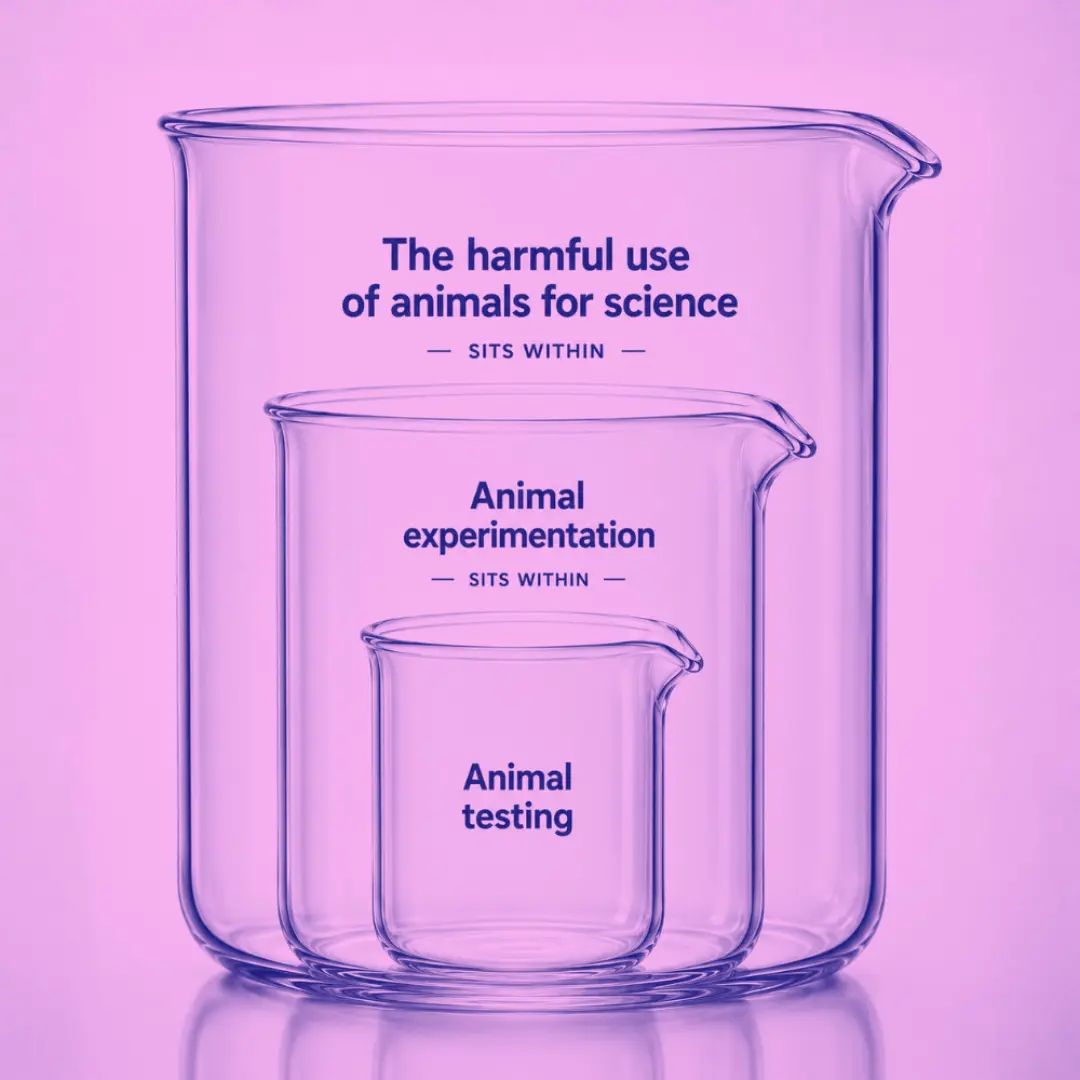
Animal testing sits within
Animal experimentation which sits within
The harmful use of animals for science.
Our work at BAR focuses on this entire system not just one part.
What does this look like in practice?
Animal testing takes many different forms across science, safety, and research
Types of animal tests
Animal testing takes place across several areas of science in New Zealand and around the world.
Here are some of the most common:
Chemical safety testing
Checking how toxic a substance is and how it might affect people or the environment.
Consumer product testing
Testing products such as cosmetics, cleaning products, or household chemicals.
Environmental testing
Studying how chemicals or substances may affect wildlife, soil, and water systems.
Unwanted species control research
Testing poisons or traps to measure safety and effectiveness.
Medical research
Testing new medicines, vaccines, and medical devices.
Veterinary research
Developing treatments and vaccines designed for animals.
Animal tests VS alternatives
Animal tests are still used globally for many different purposes. However, a growing number of better, ethical, and more scientifically relevant alternatives are already available and helping to drive the shift away from the use of animals.
Testing for eye irritation
Purpose of the test
To assess whether products or chemicals cause irritation or damage to eyes or skin
Animal test used
The Draize test
What happens to animals
A substance is applied to the eyes or shaved skin of conscious rabbits.
Redness, swelling, and tissue damage are then measured over several days. Developed in the 1940s this test has never been formally validated against human data.
Human-relevant alternative
EpiOcular™ eye Irritation test
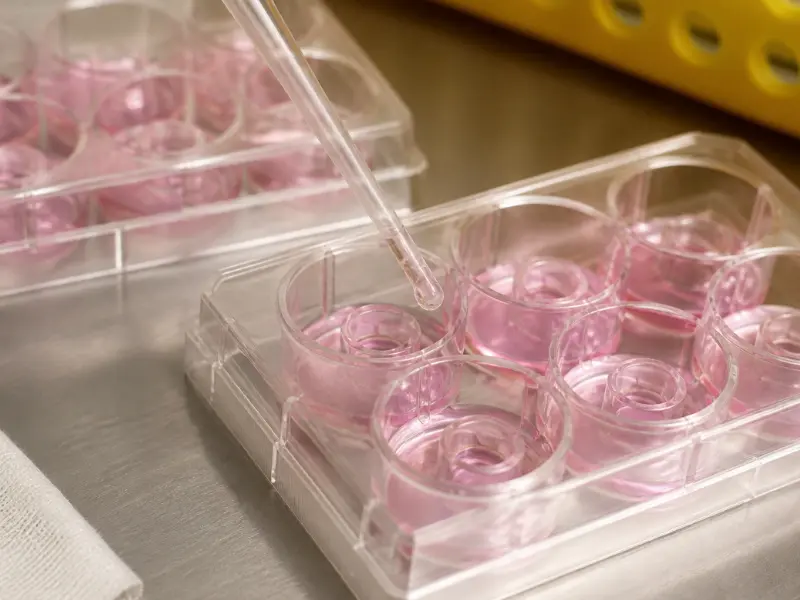
This method uses lab-grown, three-dimensional human tissue that closely mimics the human cornea. Made ethically from human-derived cells, it allows scientists to assess irritation risk directly on human-relevant tissue - without harming animals.
Testing cancer risk (carcinogenicity)
Purpose of the test
To determine whether a substance may cause cancer
Animal test used
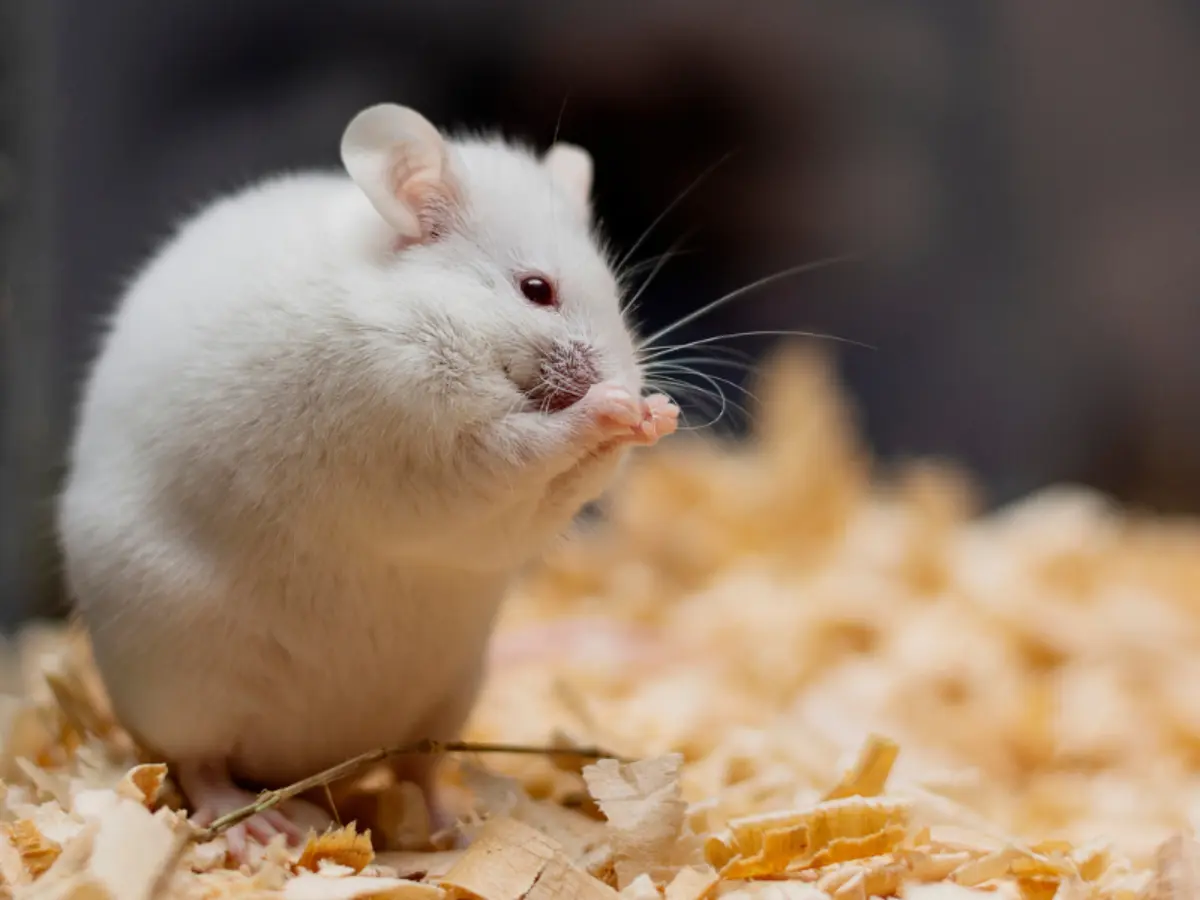
Two-year rodent carcinogenicity bioassay
What happens to animals
Rats or mice are exposed daily to a chemical for 18–24 months (most of their lifespan). Researchers monitor tumour development in multiple organs and use the results for regulatory classification.
Human-relevant alternative
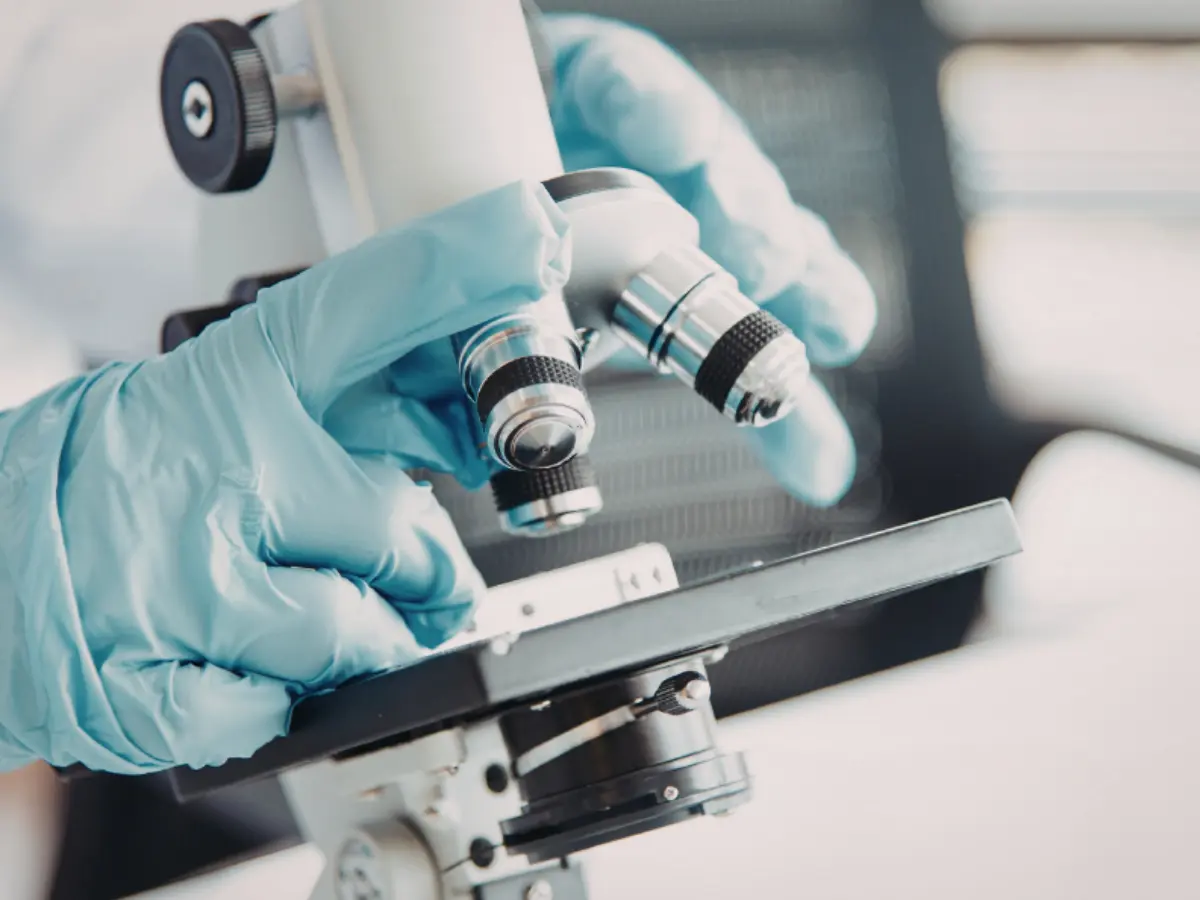
Human cell-based carcinogenicity testing
Modern approaches analyse multiple cancer-related changes in human cell models. By examining key biological processes linked to cancer, scientists can identify carcinogenic potential using human biology - without long-term animal experiments.
Screening potential antidepressant
Purpose of the test
To screen drugs for possible antidepressant effects
Animal test used
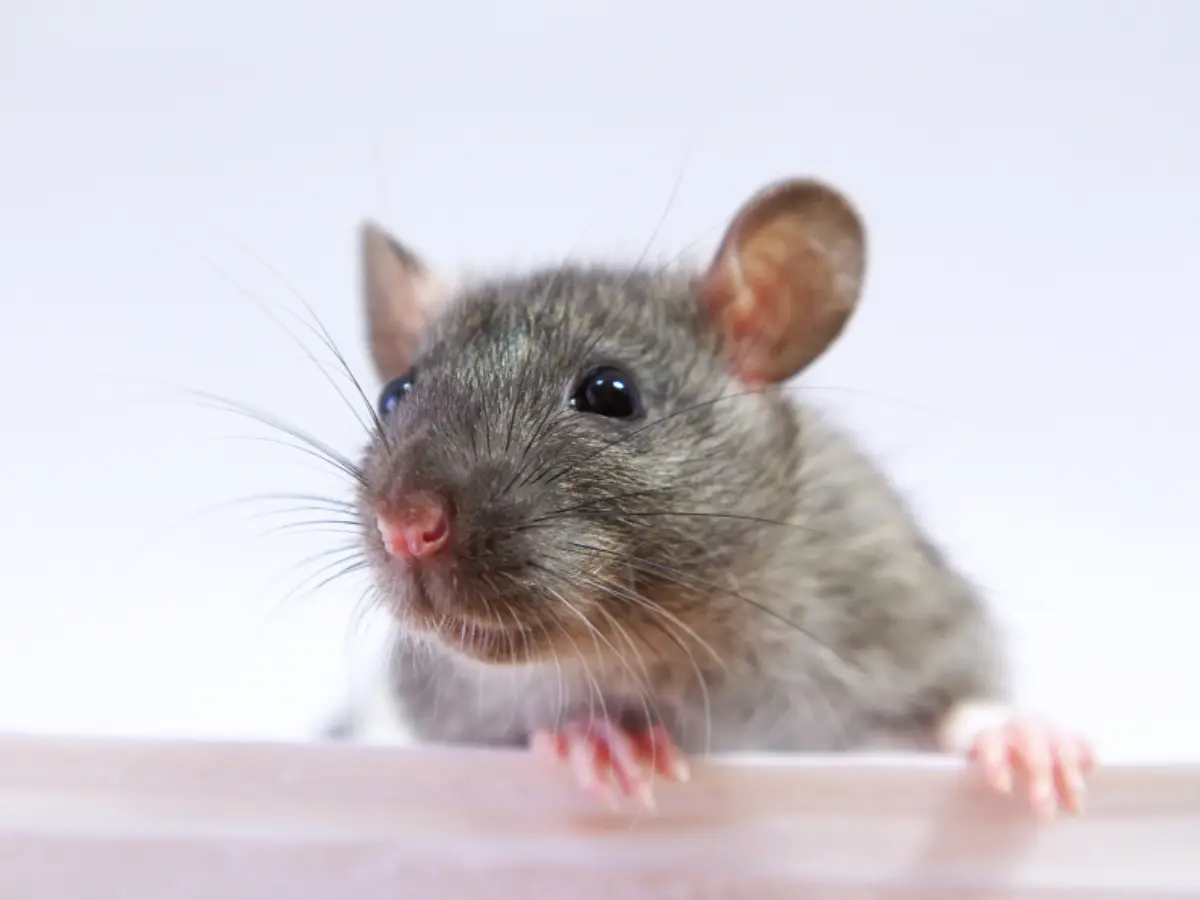
The Forced Swim Test (FST)
What happens to animals
A rat or mouse is placed in a cylinder filled with water with no way to escape, stand, or rest, requiring the animal to swim for a fixed period.
Over time, active escape behaviours decrease and the animal becomes immobile, floating while making only the movements necessary to keep their head above water.
Human-relevant alternative
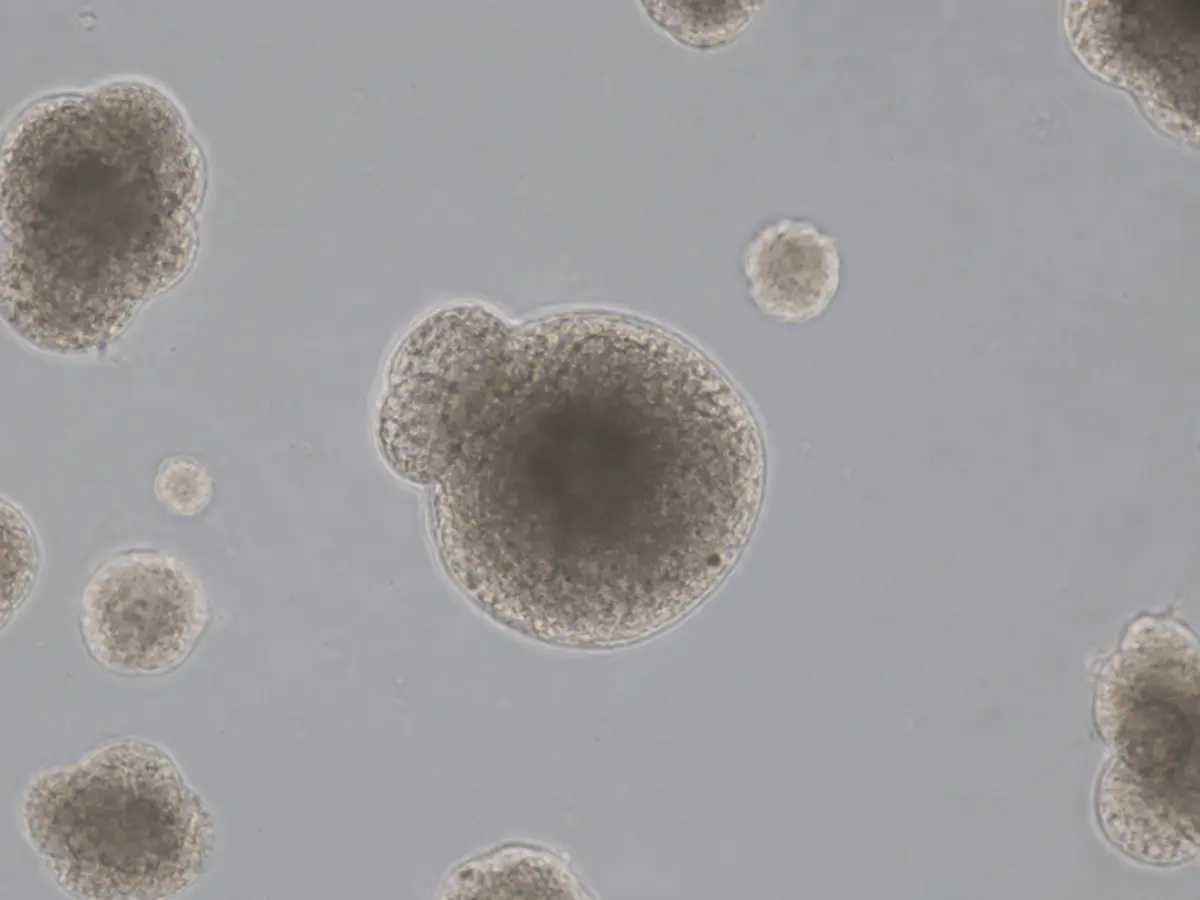
Human brain organoids
Brain organoids are tiny, three-dimensional models of human brain tissue grown from stem cells.
These organoids allow researchers to test drugs directly on living human neural tissue, providing biologically relevant data for neurological and psychiatric research.
Testing shellfish for toxins
Purpose of the test
To detect unsafe toxin levels in shellfish intended for human consumption
Animal test used
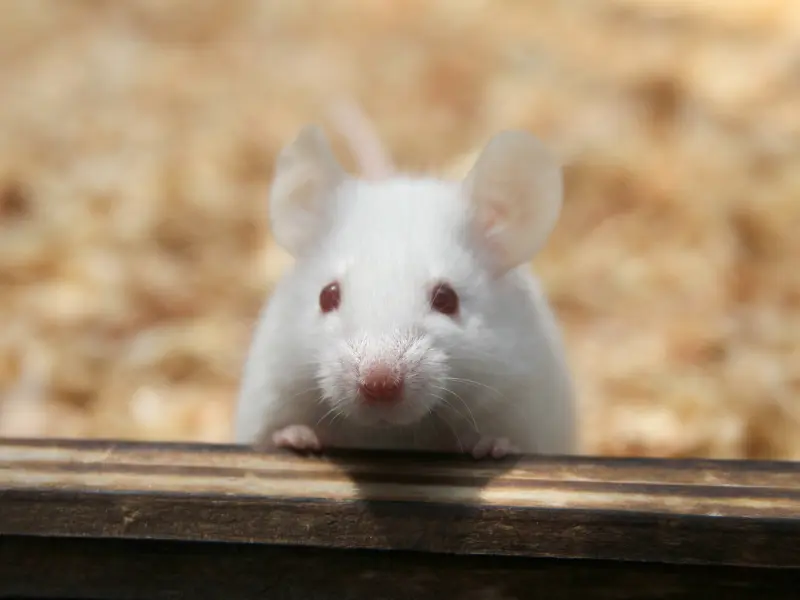
Mouse Bloassay
What happens to animals
Extracts from shellfish are injected into mice.
If two out of three mice die within 24 hours, the shellfish are deemed unsafe.
This method does not identify which toxin is present and can produce misleading results.
Human-relevant alternative
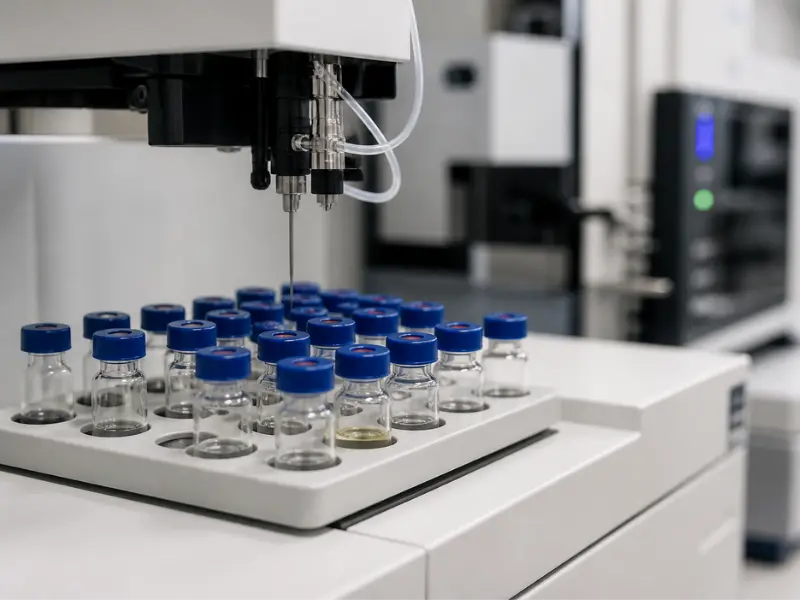
Liquid chromatography–mass spectrometry (LC-MS)
LC-MS directly identifies and measures specific toxins in shellfish.
LC-MS provides precise, chemical-level data without using animals and is now standard in many regions, including the European Union.
Batch testing of biological products (e.g., Botox®)
Purpose of the test
To confirm the potency of each production batch of botulinum toxin (Botox®)
Animal test used
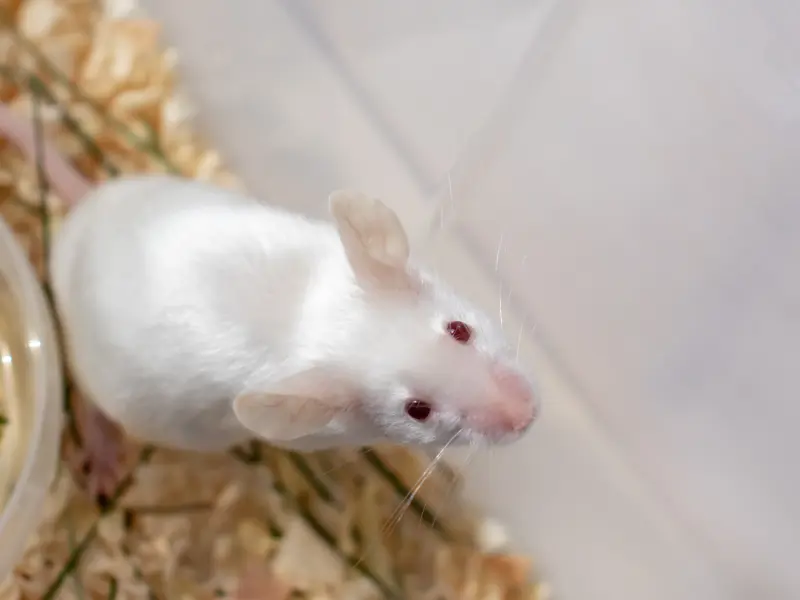
Mouse lethality bioassay (MLB)
What happens to animals
In this test, groups of mice are injected in the abdomen with different doses of botulinum toxin and observed for 3-4 days.
The potency is calculated based on the number of deaths at each dose, typically determining the LD₅₀ (the dose that kills 50% of the mice).
Human-relevant alternative
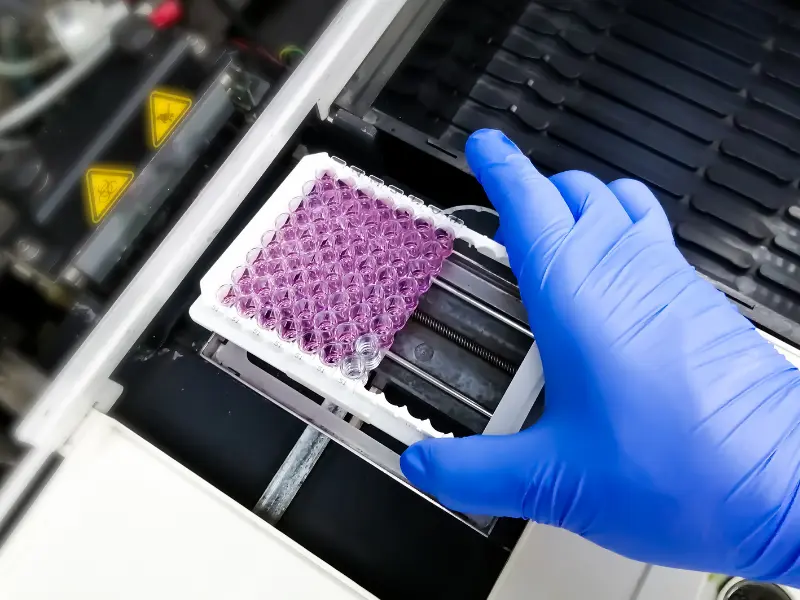
Cell-based assays
Cell-based assays use human or engineered cells in a laboratory dish to measure the biological activity of botulinum toxin.
These methods can accurately determine potency while avoiding animal suffering and improving scientific relevance.

What happens next?
Understanding animal testing is often the first step.
Many people are surprised to learn how complex the issue is. Ending the harmful use of animals in science is not simply about individual experiments. It requires change across research systems, funding structures, and regulatory pathways.
That is where Beyond Animal Research (BAR) focus their work.
By collaborating with scientists, policymakers, and research institutions, BAR helps accelerate the transition toward ethical, effective scientific methods that do involve harming animals.
Let’s keep science moving beyond animal testing
There are already many validated and emerging human-relevant research methods being used around the world.
The next step is ensuring scientists can access, adopt, and continue developing these alternatives.
For every validated method implemented and every new approach advanced, we move closer to a time when scientific progress no longer involves harming animals. Given the right support, New Zealand can play a leading role in that transition.