Our people
The team shaping a cruelty-free future
Beyond Animal Research (BAR) is a dedicated team working towards a simple but powerful goal: a future where science advances without harming animals.
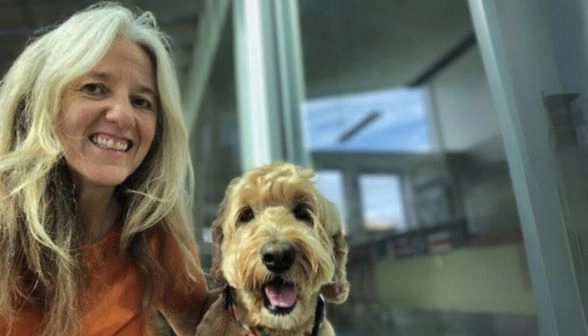
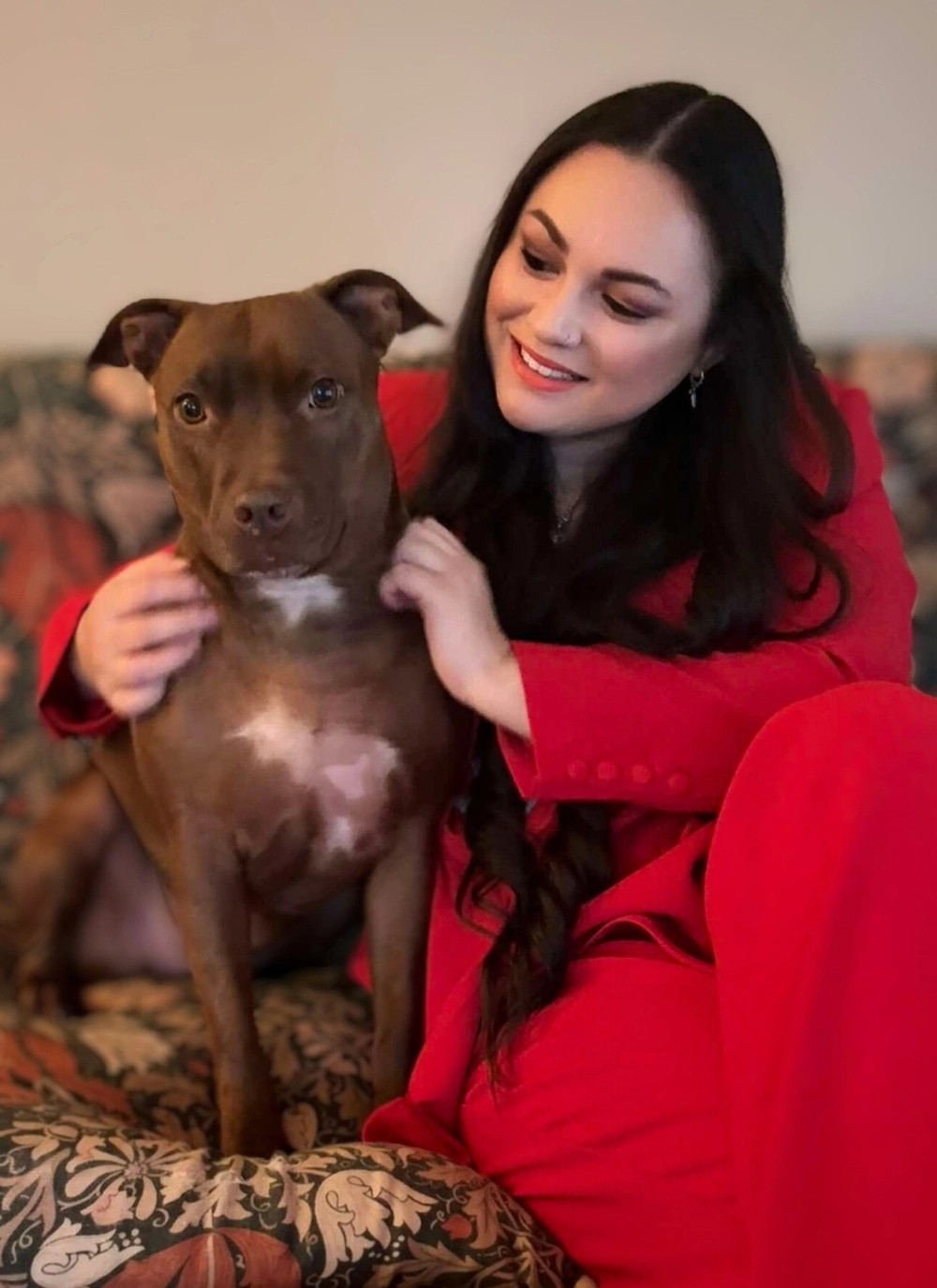
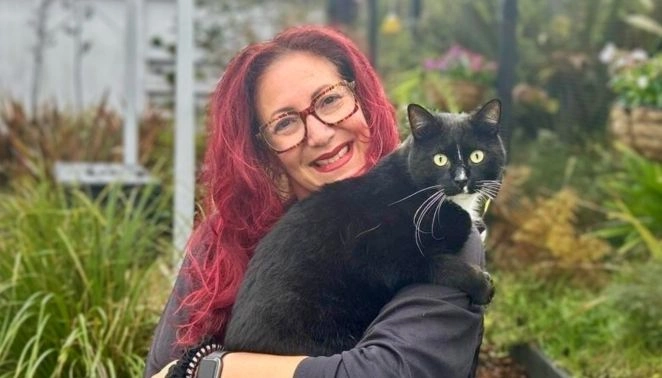
Co-founders
The wāhine guiding BAR with vision, and resolve
BAR’s two co-founders have more than 40 years of combined experience in the animal-related NGO sector.
Their work has focused on promoting systemic change, including ending the harmful use of animals in science and advancing credible, modern alternatives.
They understand the challenges present in the current system and the opportunities to transform it.

Tara Jackson (she/her)
Tara is a dedicated advocate for cruelty-free science, committed to transforming research and innovation through ethical, animal-free methods. With nearly a decade of experience in strategic leadership and advocacy, she has built strong partnerships within the animal science and research community to drive meaningful, lasting change. Bringing a unique blend of scientific insight and ethical commitment, Tara is widely respected for her ability to foster impactful collaborations. Her strategic vision and ability to engage with the research industry have made her a key figure in advancing ethical scientific practices. With a Bachelor of Science in Zoology and a deep commitment to animal advocacy, human rights, and environmental protection, Tara has been at the forefront of making progress for animals used for science in NZ since 2015.
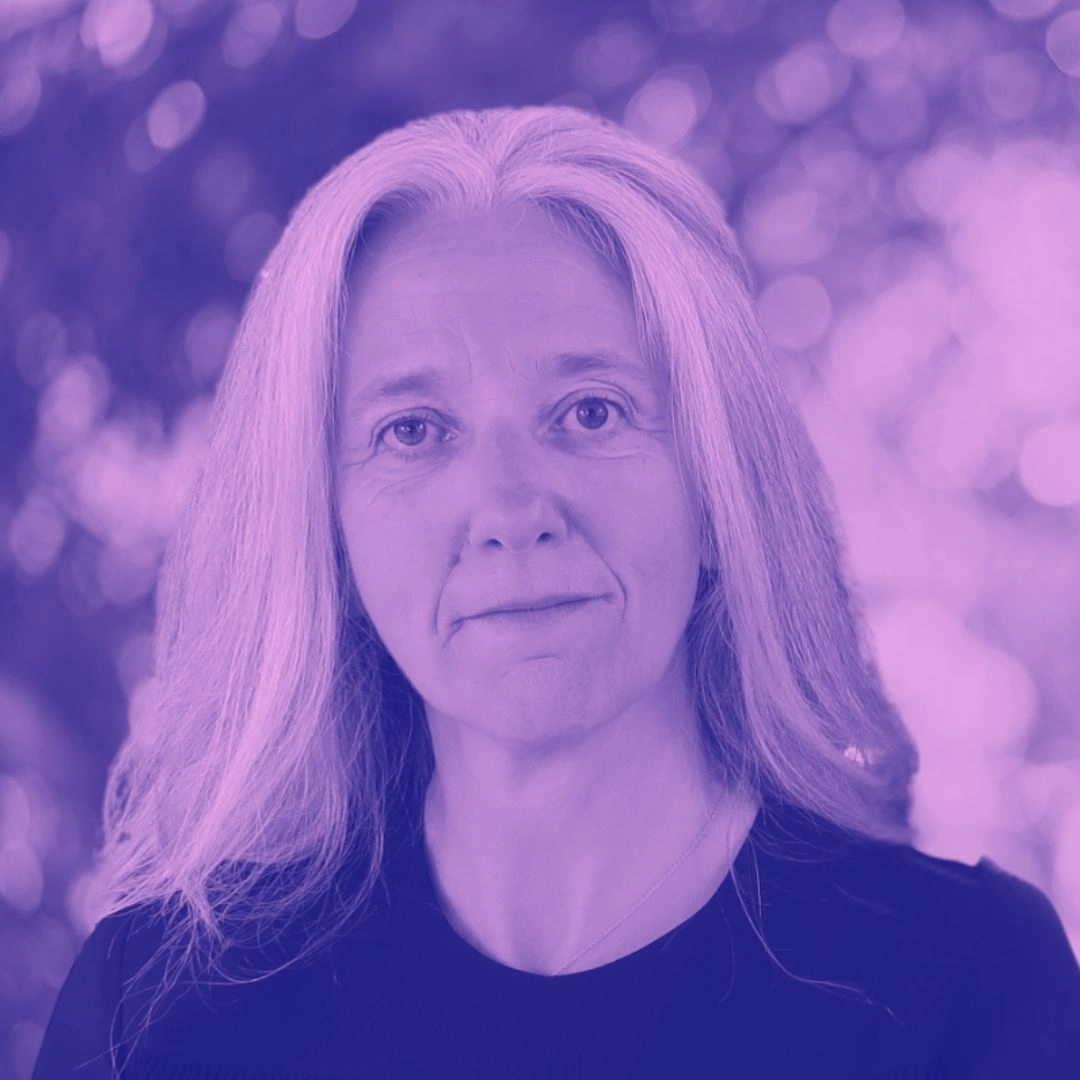
Elaine McNee (she/her)
Elaine is a strategic communicator and effective advocate, bringing more than 30 years of experience working across corporate, government, and nonprofit sectors to advance animal welfare and ethical change. A trained journalist with a strong background in campaigning, including electioneering and systems-change advocacy, she is known for her creativity, political insight, and collaborative approach. As Co-Founder and Co-Director of Beyond Animal Research, Elaine is focused on building the momentum needed to eliminate the harmful use of animals in science. With a deep commitment to connecting people and productive ideas, she is helping to shape a future where ethics and innovation work hand in hand.
Advisors
Scientific leaders strengthening the case for change
Our science advisors are internationally recognised experts who bring depth, credibility and rigour to our work.
Their involvement demonstrates a growing acknowledgement within the international scientific community that advancing science and protecting animals are not opposing goals; they are aligned.
BAR is proud to collaborate with leaders dedicated to evidence-based progress and a future without the harmful use of animals in science.

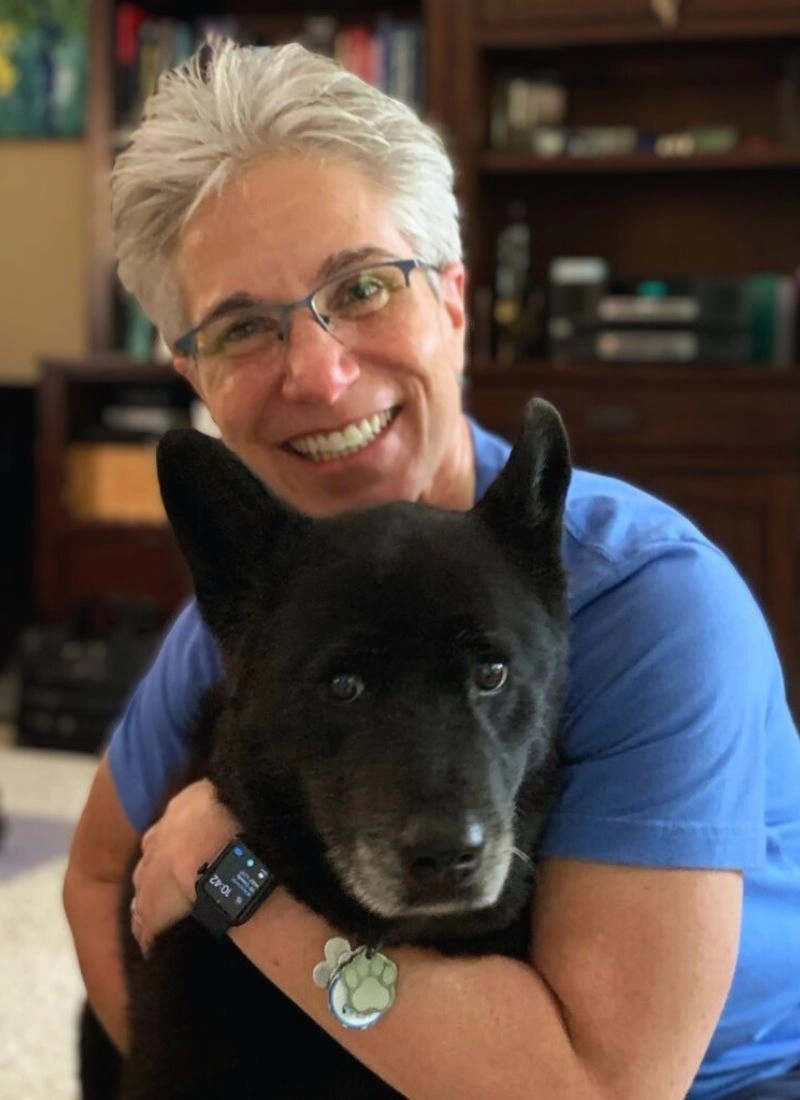
Dr. Jodi Salinsky (NZ)
Dr Jodi Salinsky is the Animal Welfare Officer (aka Attending Veterinarian overseas) at the University of Auckland, where she oversees animal research, including openness and 3Rs initiatives. With over 25 years of experience dedicated to advancing animal welfare and research practices within scientific, industry, and educational settings, she has been formally recognised for both her teaching and leadership. Dr Salinsky currently serves on the UoA Animal Ethics Committee, Executive Committee of the New Zealand Laboratory Animal Association (ANZLAA), as Chair of the Unitec School of Environmental and Animal Sciences Industry Advisory Committee (Animal Health Care & Vet Nursing), and Chair of Understanding Animal Research Oceania (UARO). While on the board of ANZCCART New Zealand, Dr Salinsky championed openness and chaired the working group that developed NZ’s Openness Agreement on Animal Research and Teaching, launched in 2021. This made NZ the first country outside of Europe to establish an Openness Agreement.

Dr. Sally Thompson-Iritani (US)
With a PhD in Neurobiology and Behavior, Dr. Buckmaster has over 30 years of experience in research and in the care and use of animals in science. Her extensive work includes roles in education, advocacy, and public outreach, and she is a trusted media expert on animal research and animal care in research environments. Dr. Buckmaster is also on the Board of Directors of the National Animal Interest Alliance, Spokesperson and Past-Chair of Americans for Medical Progress, and President of the Texas Society for Biomedical Research.

Dr. Jim Webster (NZ)
Dr. Jim Webster is an animal welfare scientist and ethics consultant with a PhD from the University of Otago and postdoctoral training from the University of Michigan. He directs EthicoNZ Ltd and serves on the boards of the Association for Assessment and Accreditation of Laboratory Animal Care International (AAALAC) and the International Council for Laboratory Animal Science (ICLAS). He chaired AgResearch’s Animal Ethics Committee for 20 years, leading welfare research with a global impact. Dr. Webster has contributed to over 100 scientific publications and helped shape international welfare standards through roles with the Global Animal Partnership (GAP), the Australian and New Zealand Council for the Care of Animals in Research and Teaching (ANZCCART NZ), and the Royal New Zealand Society for the Prevention of Cruelty to Animals (SPCA). Dr Webster also serves on New Zealand’s National Animal Ethics Advisory Committee (NAEAC) and is Deputy Chair of the Veterinarians for Animal Welfare Aotearoa (VAWA).
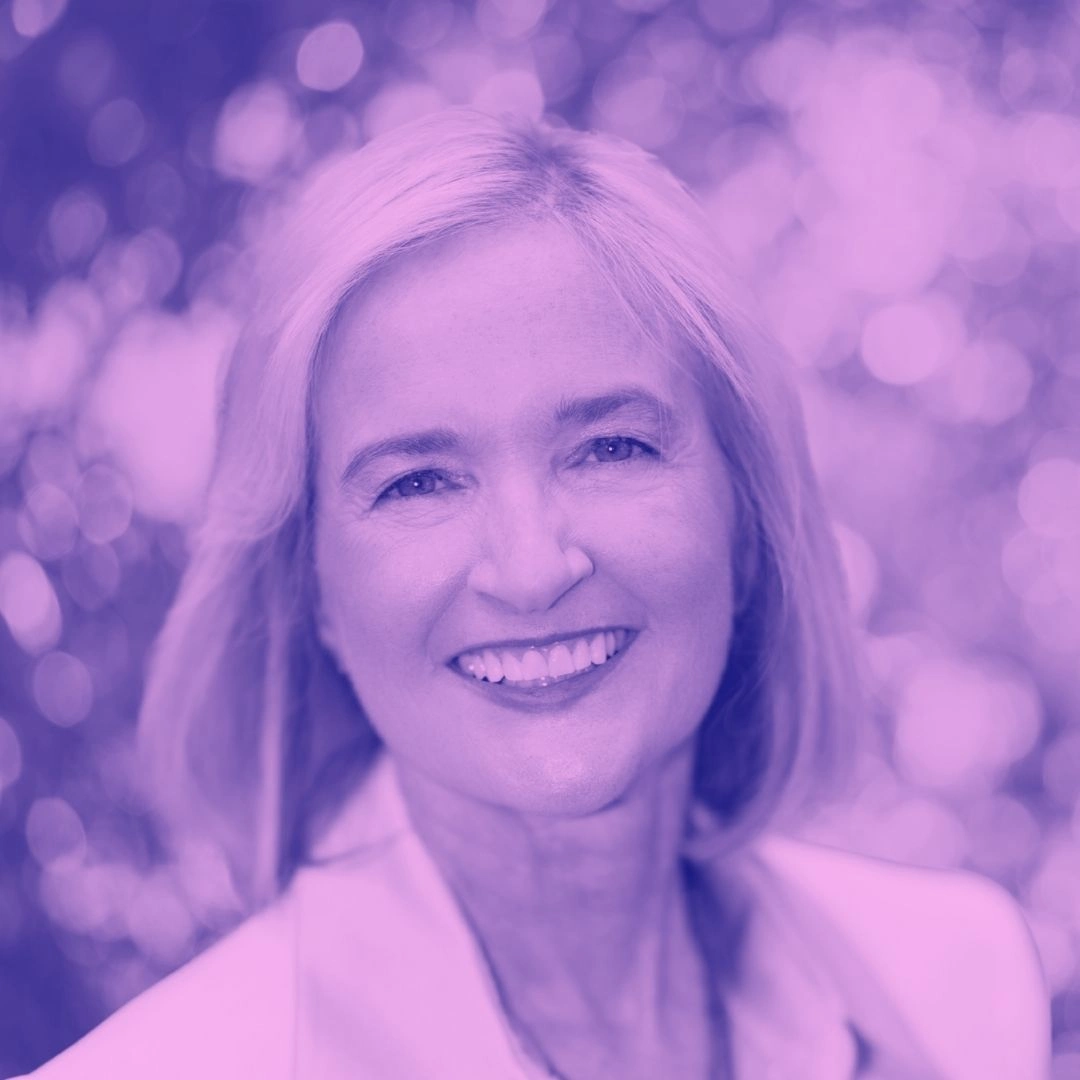
Dr. Sally Thompson-Iritani (US)
Dr. Sally Thompson-Iritani, DVM/PhD, is a veterinarian and scientist dedicated to promoting ethical and responsible animal research. She strongly supports all three pillars of the 3Rs—Replacement, Reduction, and Refinement - and works to embed these principles into research culture to improve both animal welfare and scientific outcomes. With experience in both academic and industry settings, she brings expertise in regulatory oversight, program development, and compassion fatigue, with a particular focus on implementing Refinement strategies that support animal well-being. Dr. Thompson-Iritani collaborates with national and local organisations that focus on the care and support of animals in both research and community settings. She is committed to openness and values honest, constructive dialogue about the role of animals in advancing science. She looks forward to serving as an advisor to BAR - working together through shared commitment and collaboration to reduce and replace the use of animal models in the pursuit of improved health for both people and animals.

Prof. Bart Ellenbroek (NZ)
Prof. Bart Ellenbroek is an internationally recognised behavioural neuroscientist with over 36 years of research experience and a PhD in Pharmacology. He is currently Head of the School of Psychology at Victoria University of Wellington, New Zealand. Prof. Ellenbroek's work explores the neurobiology of mental health conditions such as schizophrenia, depression, and autism, and has increasingly focused on human-based research. With over 11,000 citations and an h-index of 59, his global collaborations span more than 10 countries. Prof. Ellenbroek has received over NZ$18 million in grant funding and serves as Editor-in-Chief for Behavioural Pharmacology and OBM Neurobiology.
Frequently asked questions
Why was Beyond Animal Research created?
BAR was founded to transform how science is done by removing the entrenched barriers that keep harmful animal use in place. Hello
After years of working inside the system, our founders saw the need for a new collaborative approach that brings scientists and advocates together to create better outcomes for animals, people and the environment.
Learn more on our why BAR was launched page
Why does Beyond Animal Research have science advisors?
Our Science Advisors help ensure BAR’s work is grounded in reality rather than assumptions.
Their expertise helps us understand current practice, key barriers and real opportunities for change so we can focus on practical solutions.
Do all of Beyond Animal Research’s advisors share the same views?
Not necessarily, and that is a strength.
Our advisors bring a wide range of expertise and perspectives. They may not agree with every BAR position or project. What unites us is a shared vision of a future where ethical, effective science thrives, and animals are free from harm.
Want to know something else? Ask us your question via email.
Animal use in science can be complex, and clear information matters.
If you cannot find the answer you are looking for, explore our issue pages or get in touch with our team.