
What can be used instead of animals?
Exciting advancements in animal-free and other alternative methods are constantly emerging. Around the world, researchers are developing ethical, human-relevant methods that improve both scientific accuracy and animal welfare.
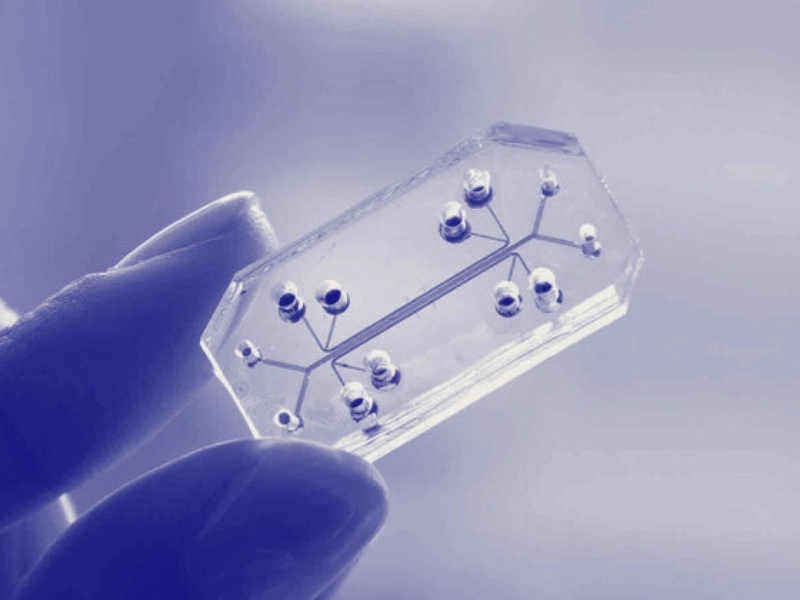
Research alternatives
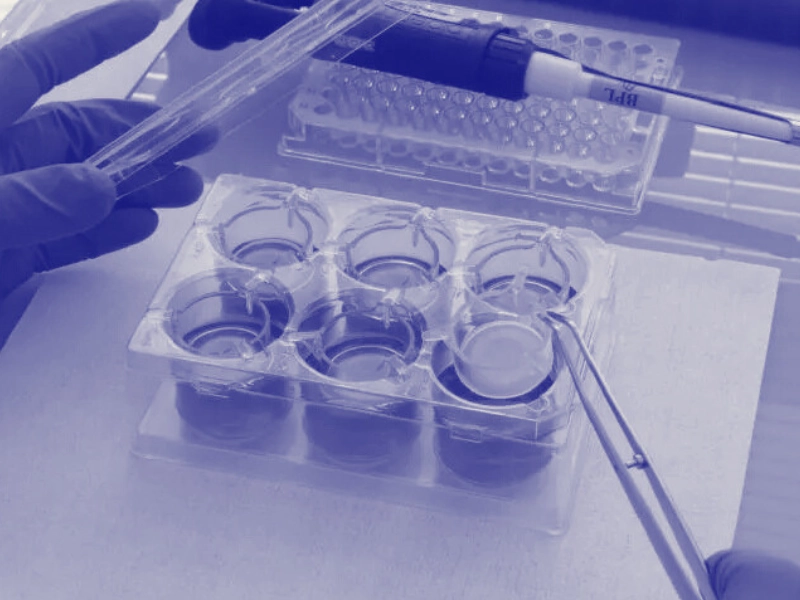
Testing alternatives
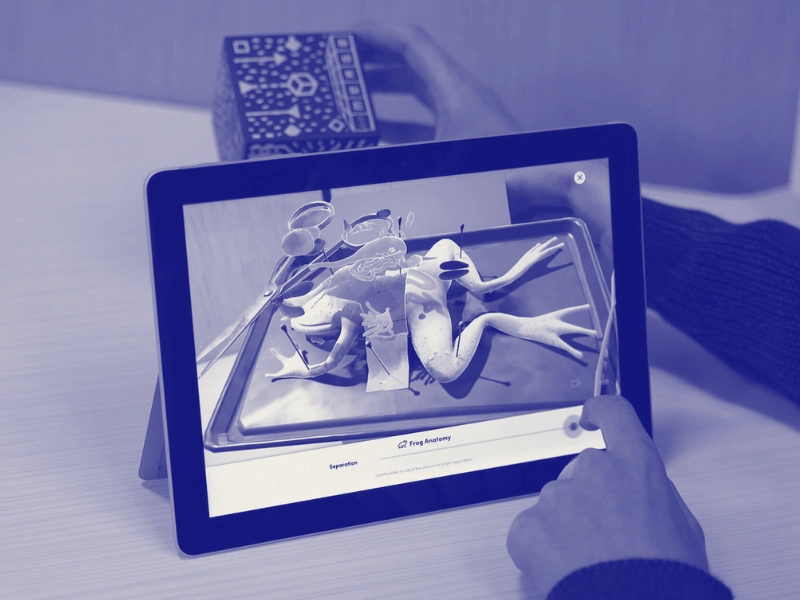
Teaching alternatives
Join BAR
Here are just some of the many alternatives to the harmful use of animals - already available, in development, or being refined - with new breakthroughs happening every day.
Research alternatives
- Organs-on-chips
- Bioengineering
- Computer models and AI
- Epidemiological studies
- Advanced imaging techniques
- Mathematical and computational models
- Human and animal volunteers
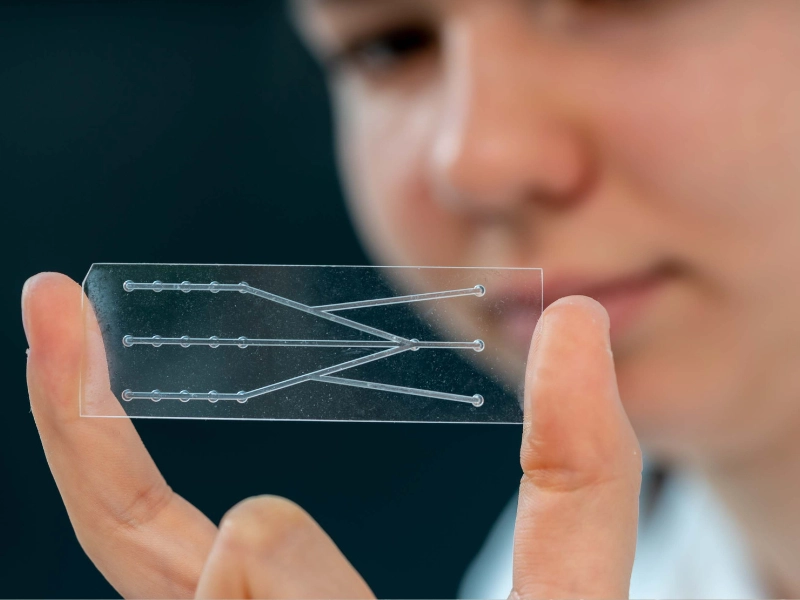
Organs-on-chips
Tiny micro-devices lined with human cells that mimic the structure and function of real organs. Multiple chips can even be linked to study how the body’s systems interact.
Example: Lung-on-a-chip technology uses real human lung cells and even simulates breathing movements, allowing scientists to study diseases like asthma and test new treatments safely
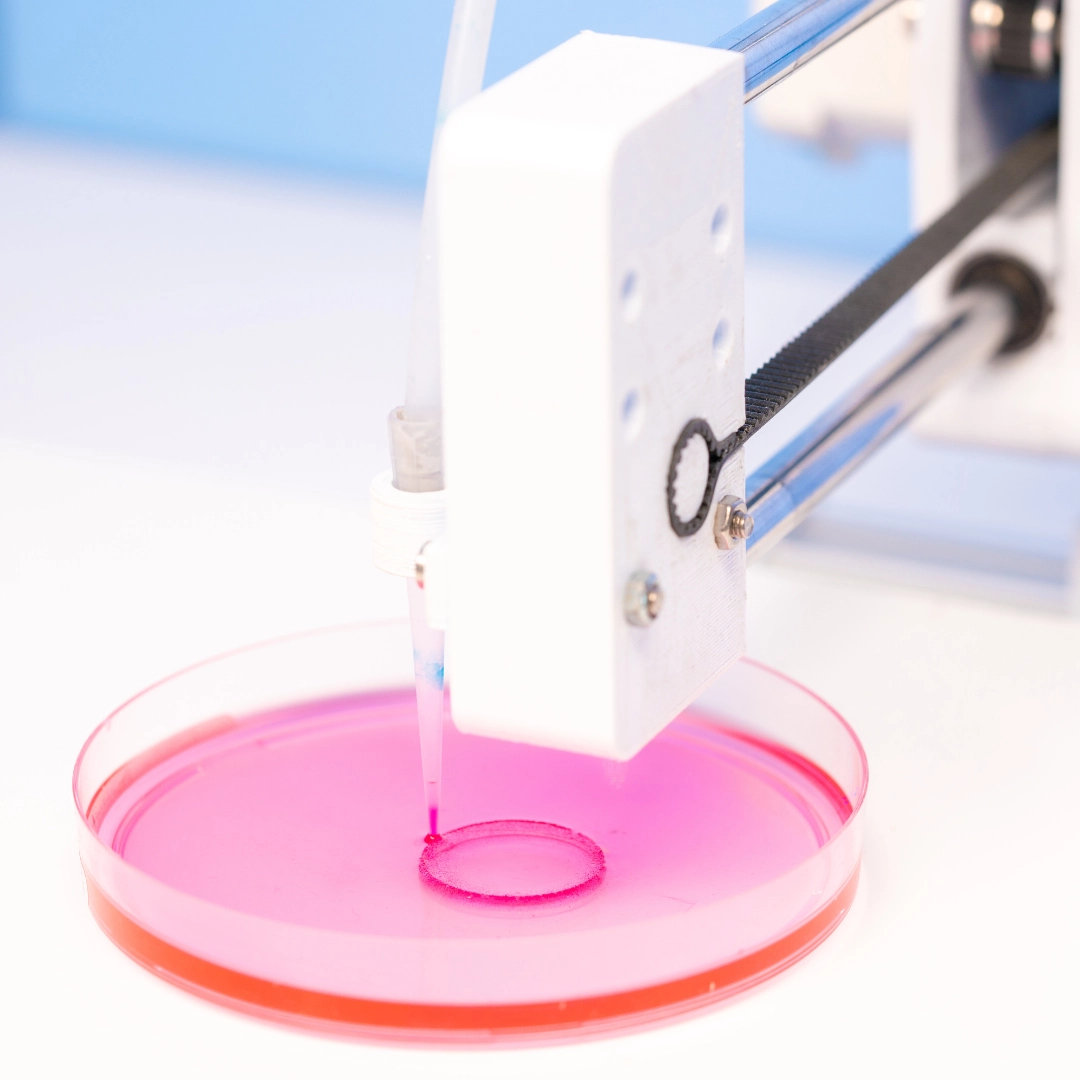
Bioengineering
Bioengineering applies engineering and technology to biology - creating medical devices, artificial tissues, and even lab-grown organs. Within this field, bioprinting uses 3D printing with patient-derived cells to create realistic biological structures.
Example: Researchers at the university of otago are developing bioengineered breast tissue to support reconstruction for people recovering from cancer treatment.
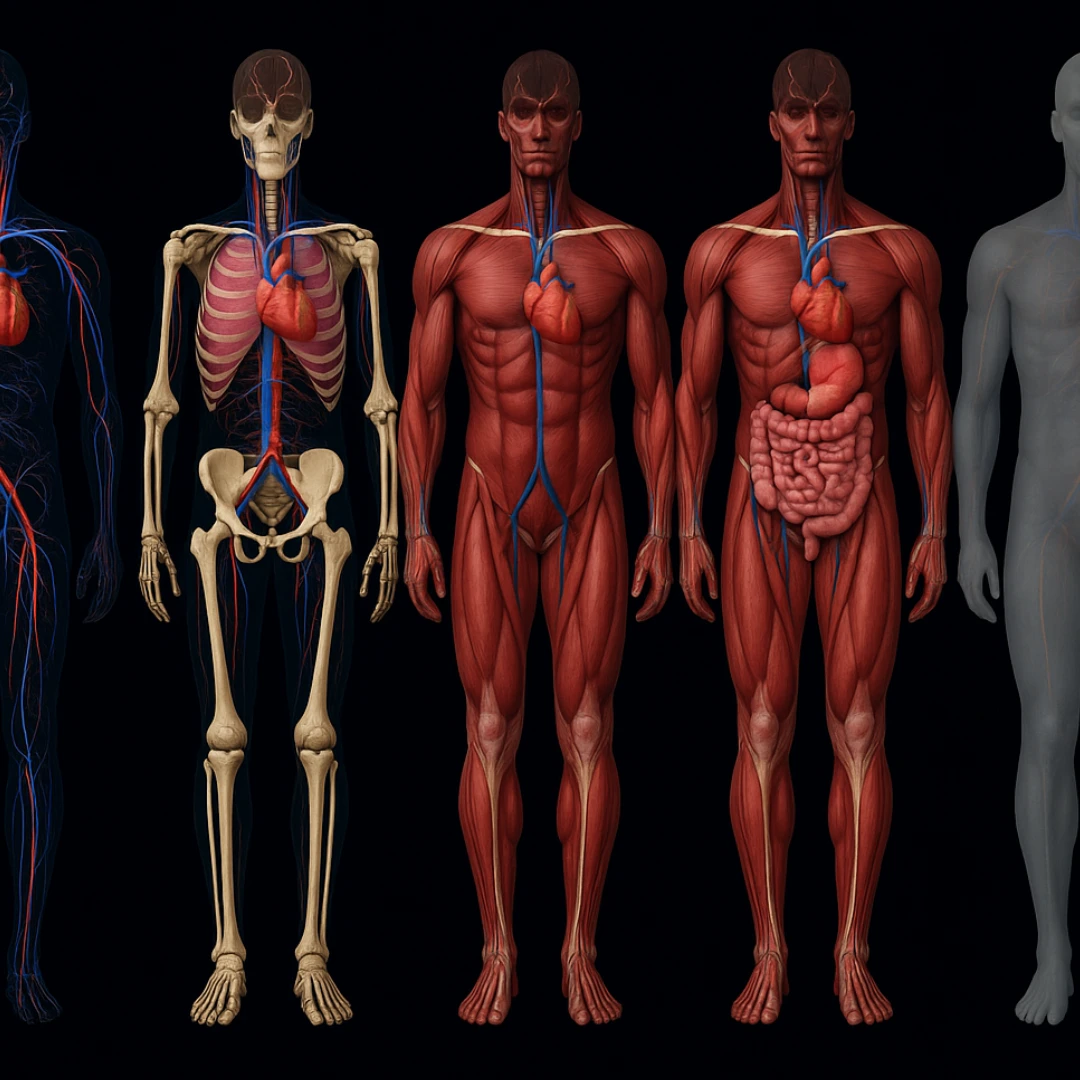
Computer models and AI
These are simulations and artificial intelligence (AI) powered tools that predict biological responses.
Example: In the UK, scientists have developed a digital twin of the human heart using health data, scans, and wearable devices - enabling real-time tracking of heart disease and personalised treatment testing.
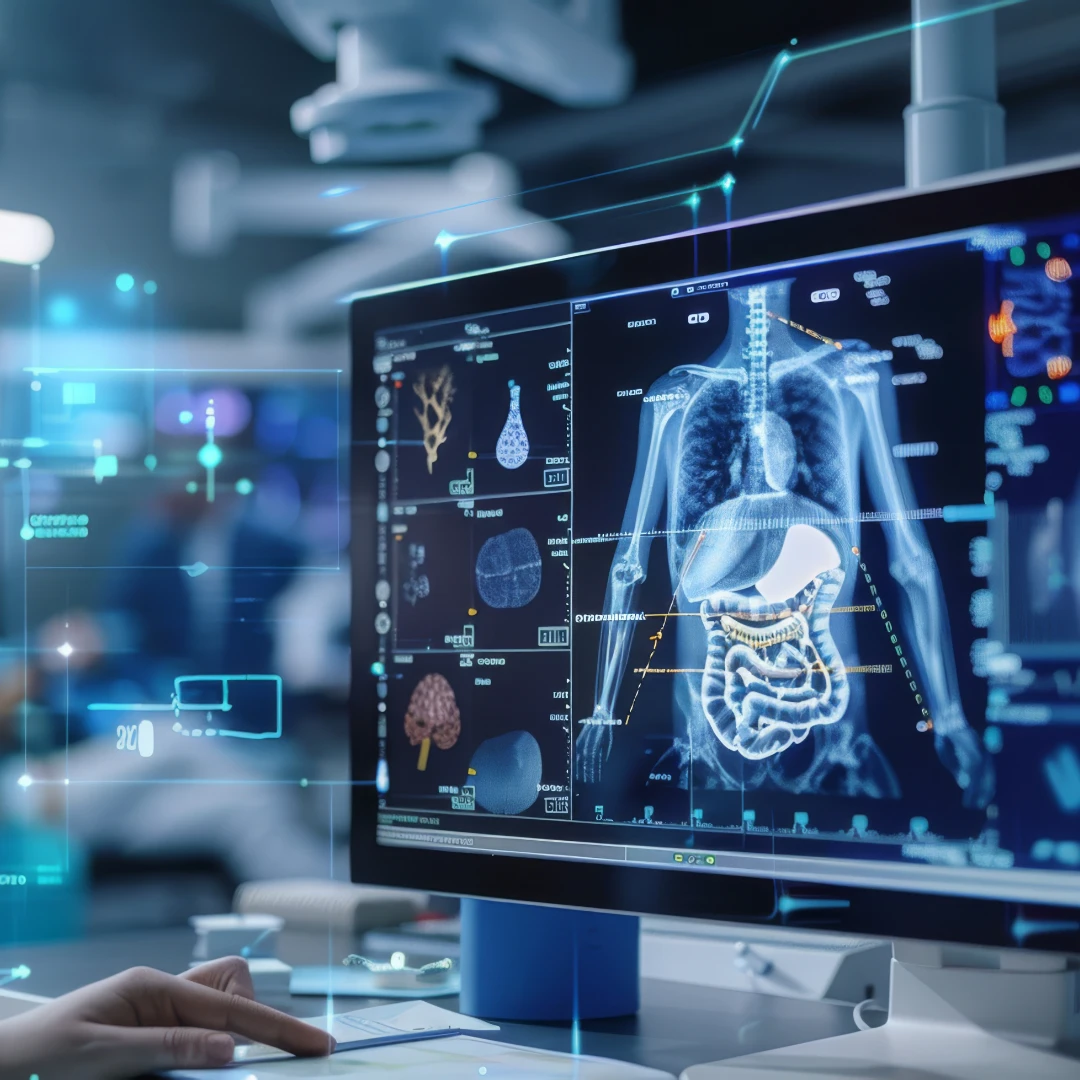
Epidemiological studies
This involves researching human populations to understand disease trends. Researchers analyse large groups over extended periods, comparing factors such as daily habits, genetic makeup, medical care, environmental exposures, and socioeconomic status to identify causes and patterns of diseases.
Example: The dunedin multidisciplinary health and development study has followed over 1,000 people since the 1970s, offering valuable insights into how early life shapes lifelong wellbeing.
Advanced imaging techniques
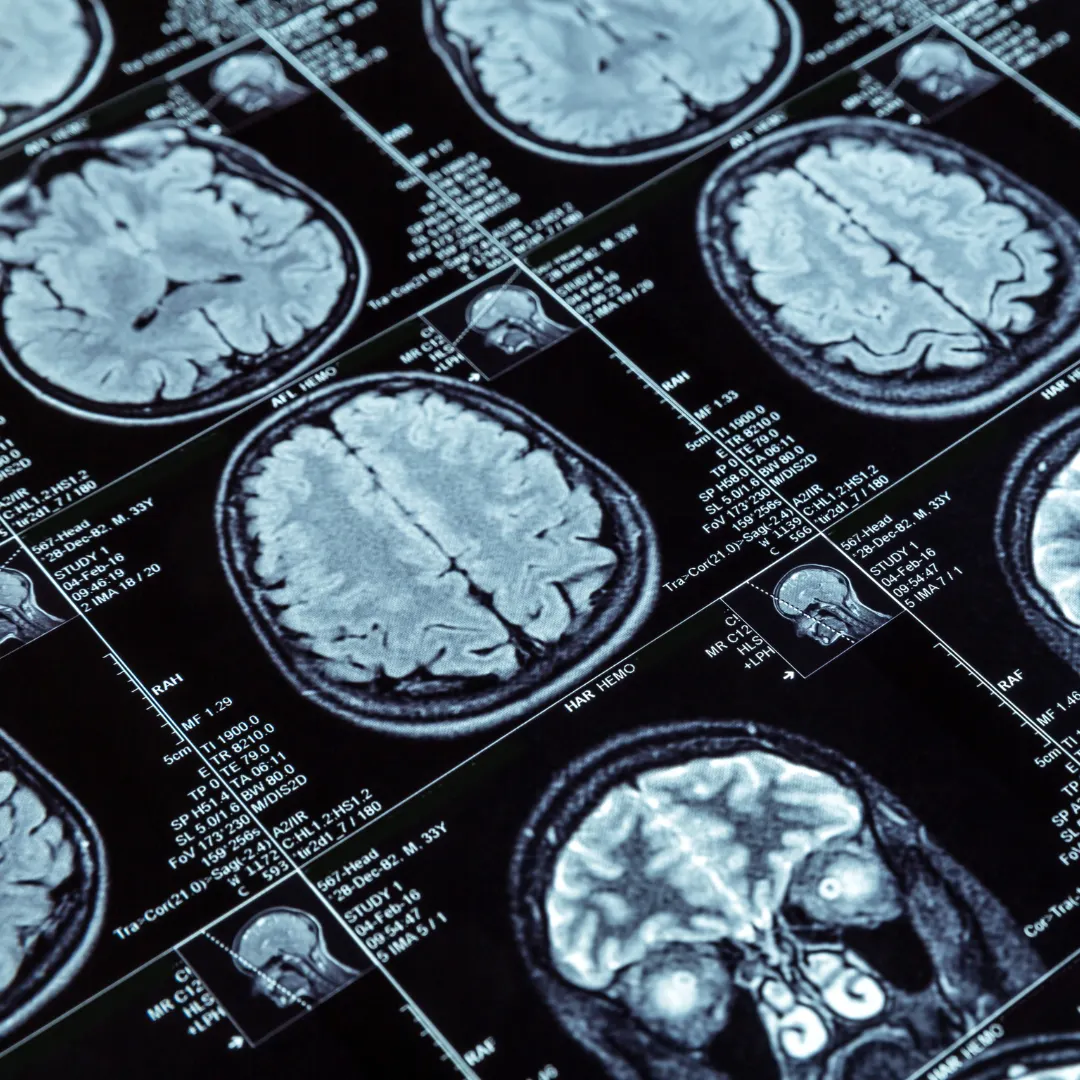
These include MRI, CT scans, and other advanced medical imaging tools that let us see inside the body in high detail.
Example: The dementia prevention research Clinic at the University of Auckland uses advanced imaging to study factors influencing Alzheimer’s disease development.

Mathematical and computational models
These models use equations and algorithms to simulate how the body works, helping predict what might happen and improve our understanding of health and disease.
Example: A study at the University of Auckland utilised computational models to create new and more accurate equations for predicting cardiovascular disease risk among New Zealanders.
Human and animal volunteers
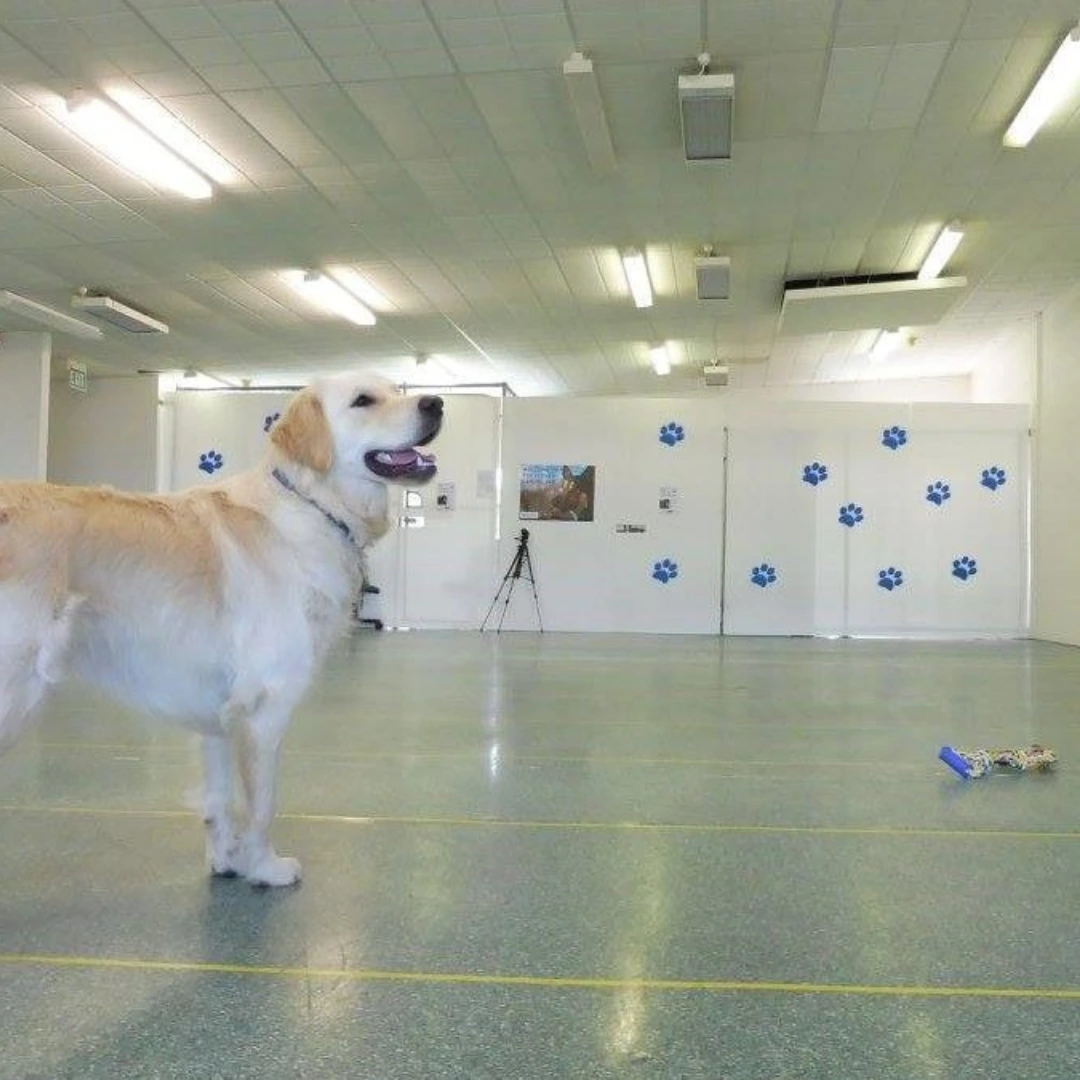
This involves the use of consenting humans and their companion animals in research that is non-harmful.
Example: The university of auckland clever canine lab conducts research about how dogs think, with a particular focus on understanding the social bonds between dogs and their owners. People can volunteer themselves and their dog to be a part of this non-harmful research.
Image source.
Testing alternatives
- Organs-on-chips
- 3D human cell cultures
- Cell-based disease models
- Microdosing in human volunteers
- Computer models and AI
- High-throughput screening
- Computer simulations and robotics
Organs-on-chips
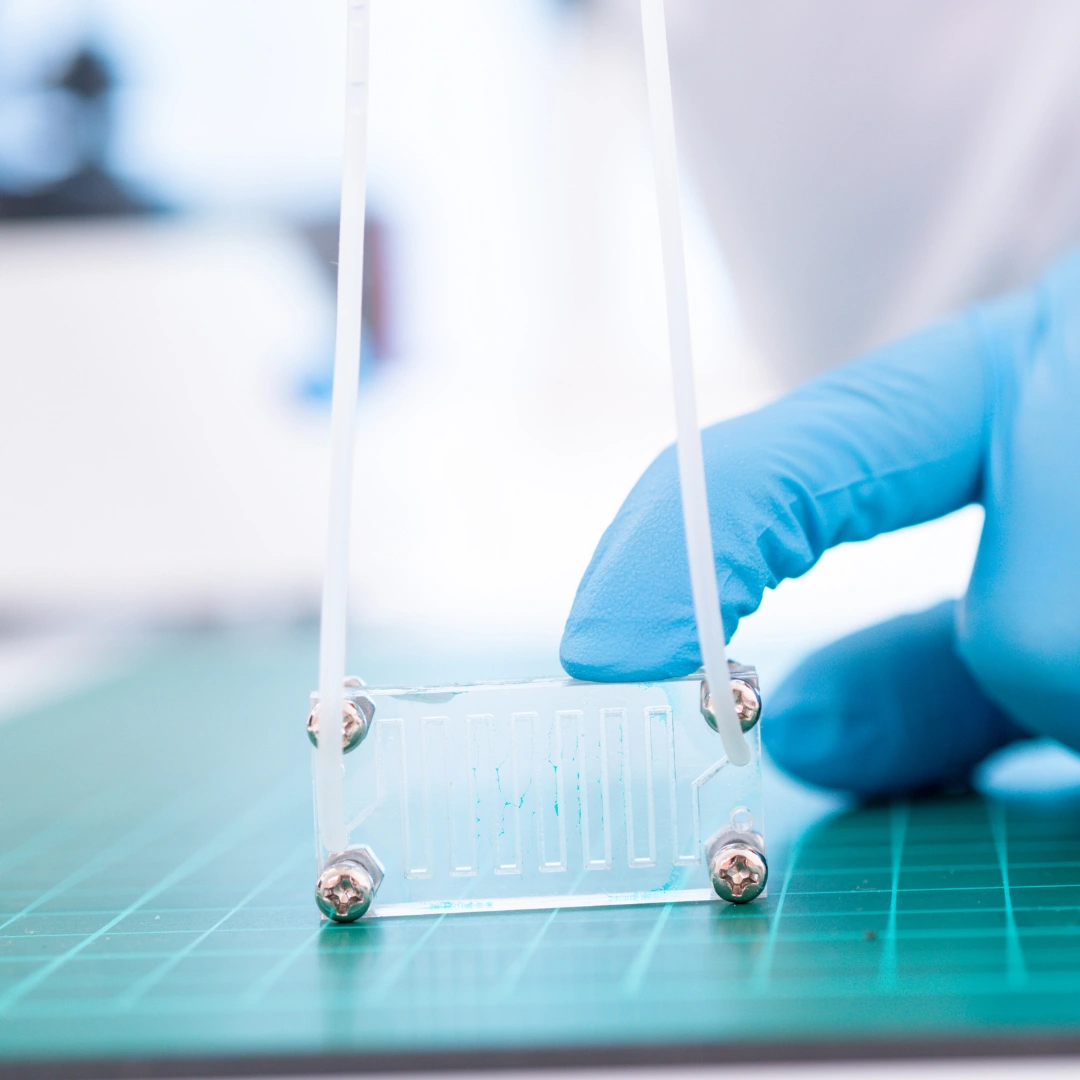
These are small devices lined with human cells that replicate how real human organs function. They can be used to test the safety and effectiveness of drugs and chemicals on human tissue. Multiple chips can even be linked together to simulate how substances move through the body and affect different organs
Example: Emulate human liver-chips can be used to reliably test if a drug is toxic to the liver before human trials.
B3D human cell cultures
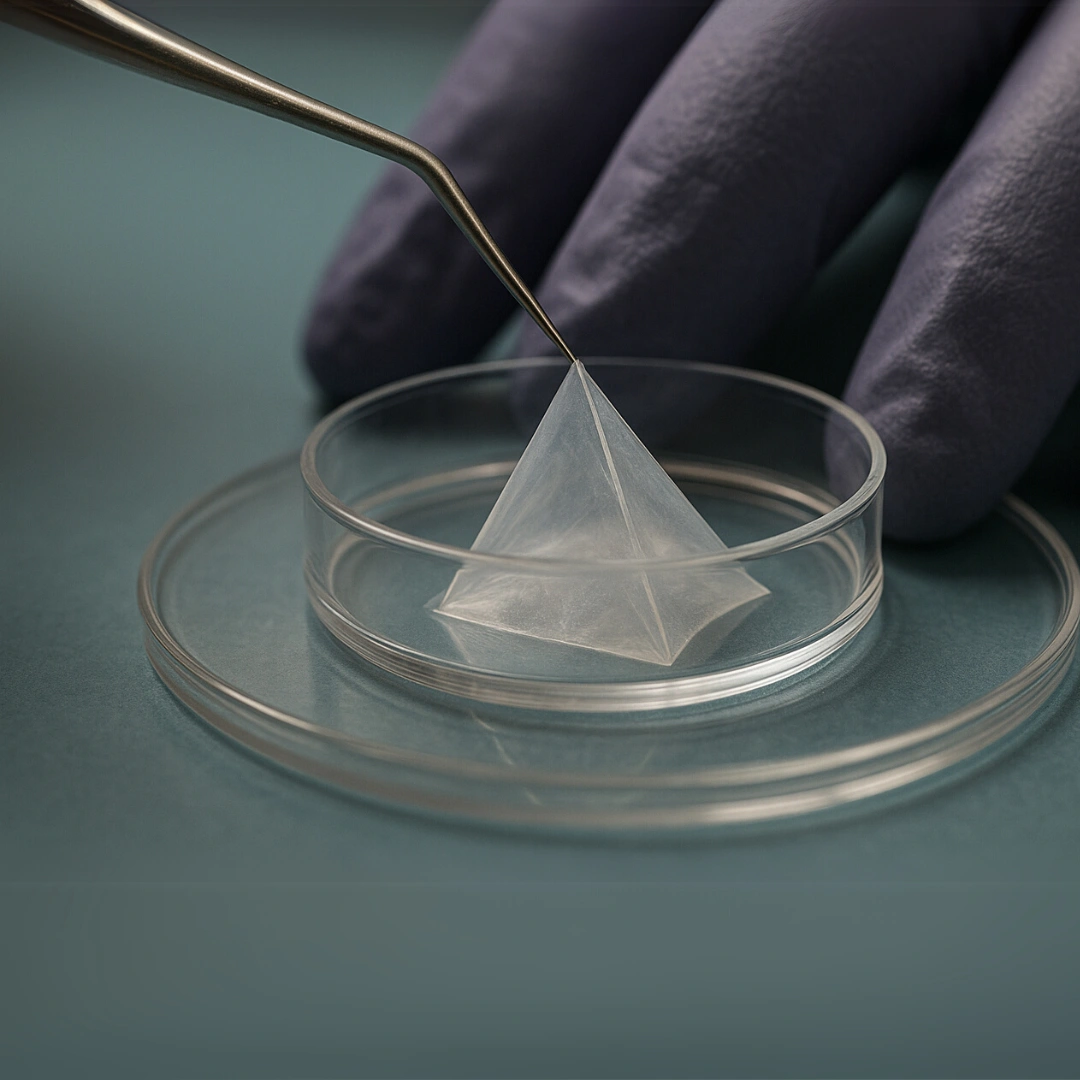
These are a type of cell culture technique where human cells are grown in a three-dimensional environment in the lab to mimic the structure and function of real tissues and organs in the human body.
Example: Episkin is lab-grown human skin that mimics the structure and function of real human skin. It’s used to test the safety of things like cosmetics, chemicals, and pharmaceuticals.
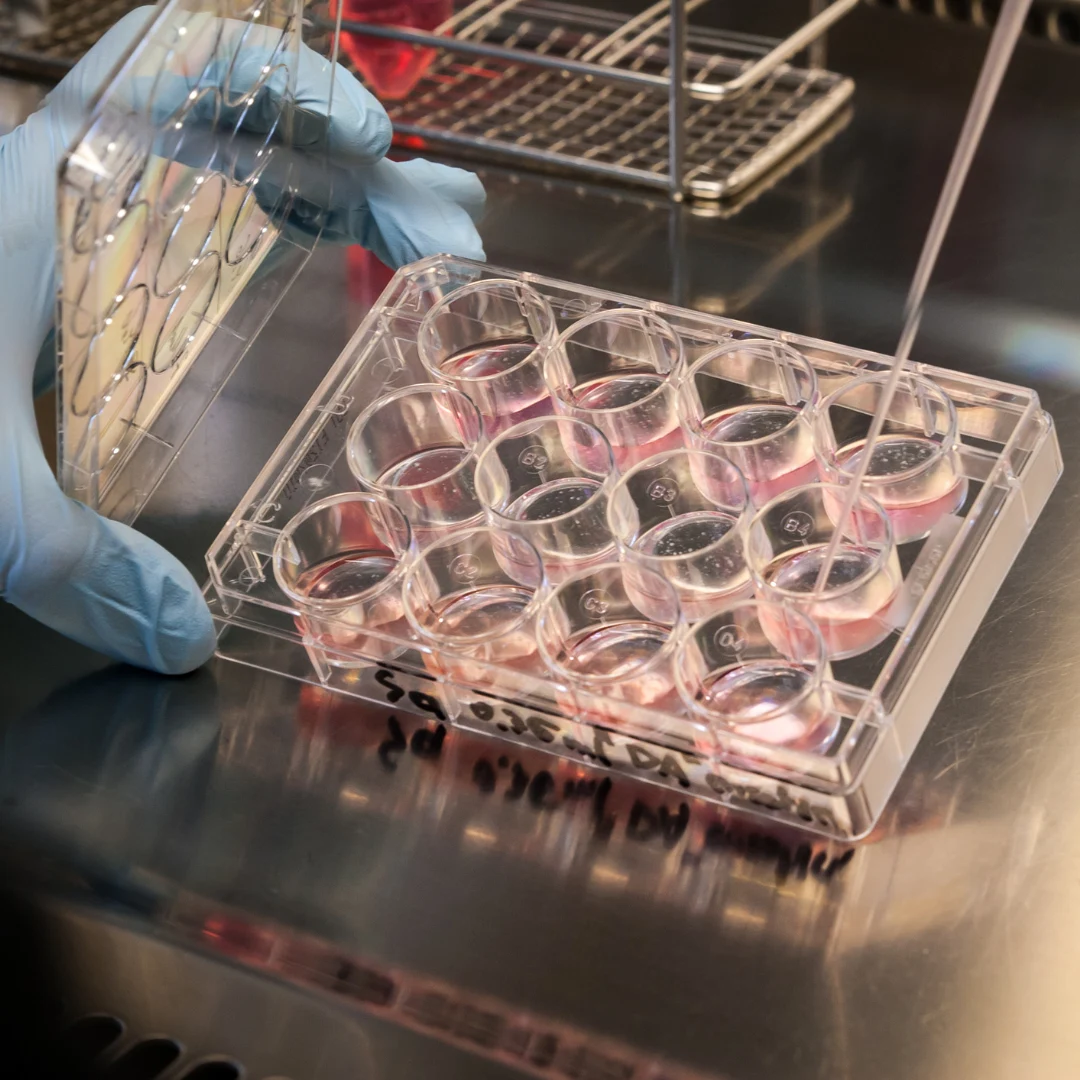
Cell-based disease models
To test the effectiveness and safety of new drugs, drugs can be tested using the patient’s own cells and tissues that have been grown in a lab.
Example: Functional Drug Sensitivity Testing (f-DST) is a lab-based method that tests a patient’s own cancer cells to see which chemotherapy drugs work best while causing the least harm. This can lead to personalised treatments for cancers like colorectal cancer, to improve effectiveness and reduce side effects.
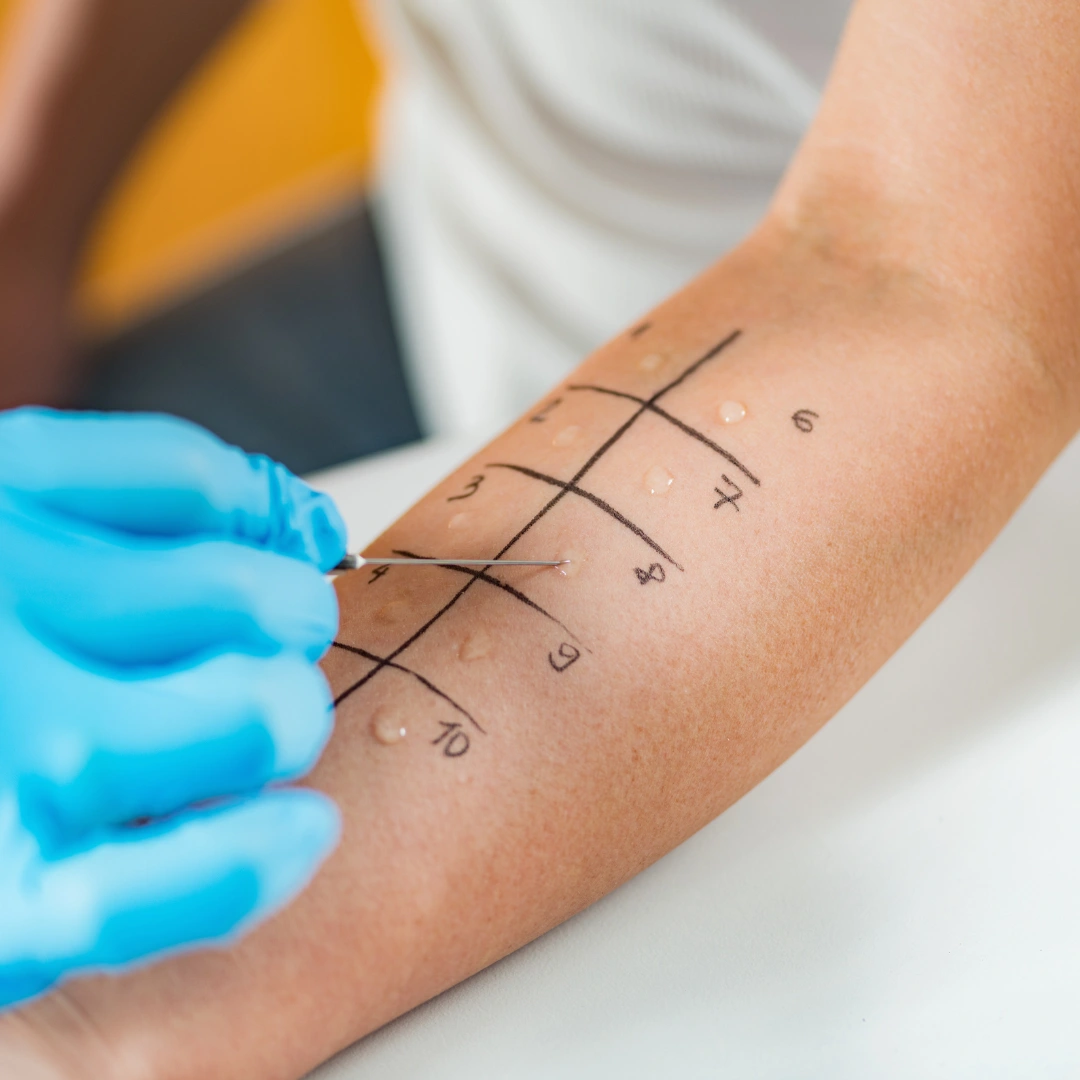
Microdosing in human volunteers
Microdosing involves giving extremely small, safe doses of a drug or substance to consenting human volunteers. This early-stage testing helps determine whether a drug or product is likely to be safe and effective before moving on to full clinical trials.
Example: The University of Auckland conducted a study on LSD Microdosing to investigate the effects on mood and well-being in healthy individuals.
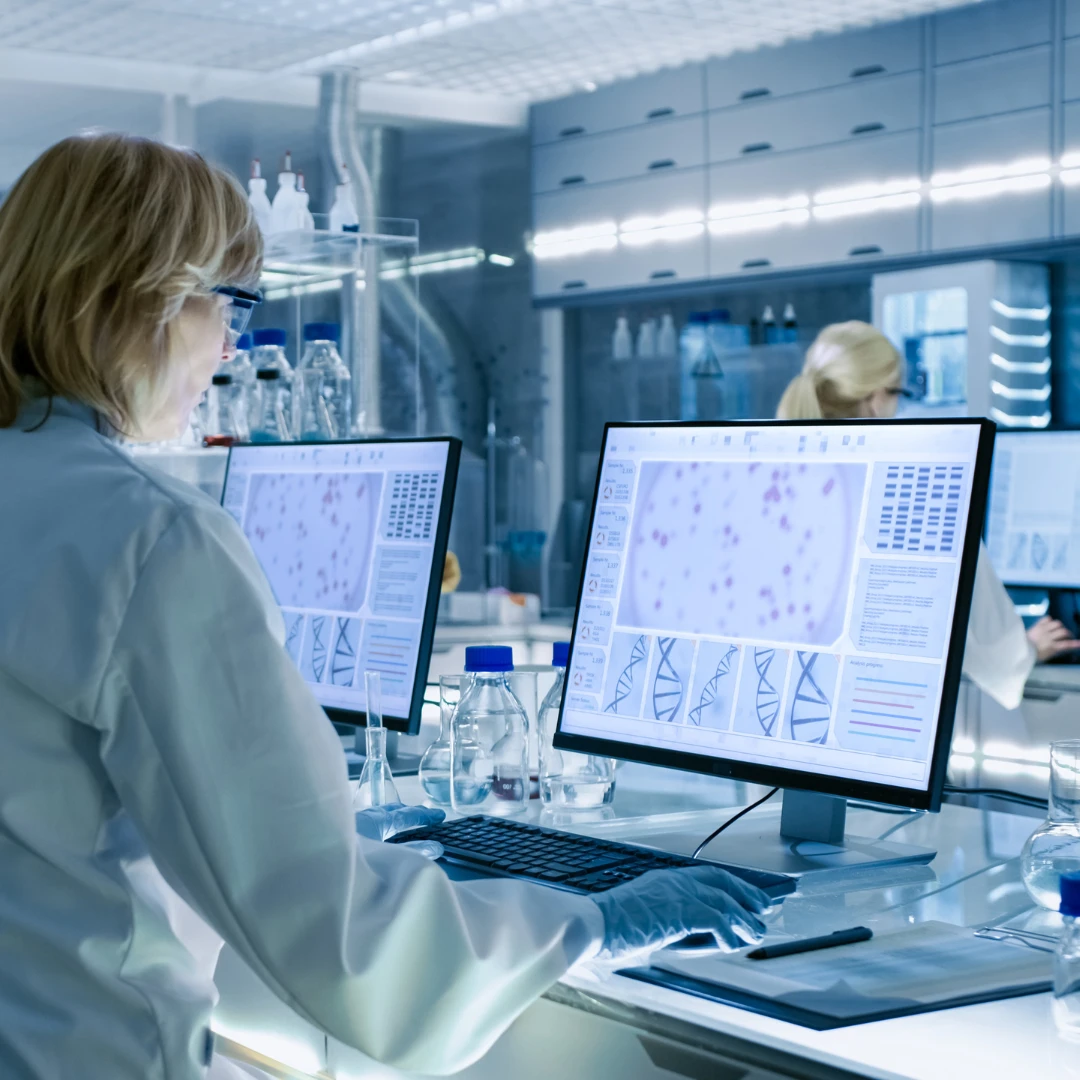
Computer models and AI
These are advanced computer simulations and AI tools used to predict how substances or drugs interact with the human body. By analysing chemical and biological data, they help assess safety, effectiveness, and potential risks.
Example: AI models have been developed to predict whether ingredients in cosmetics might cause skin allergies. These programs analyse the chemical properties of substances to assess their potential to cause allergic reactions.
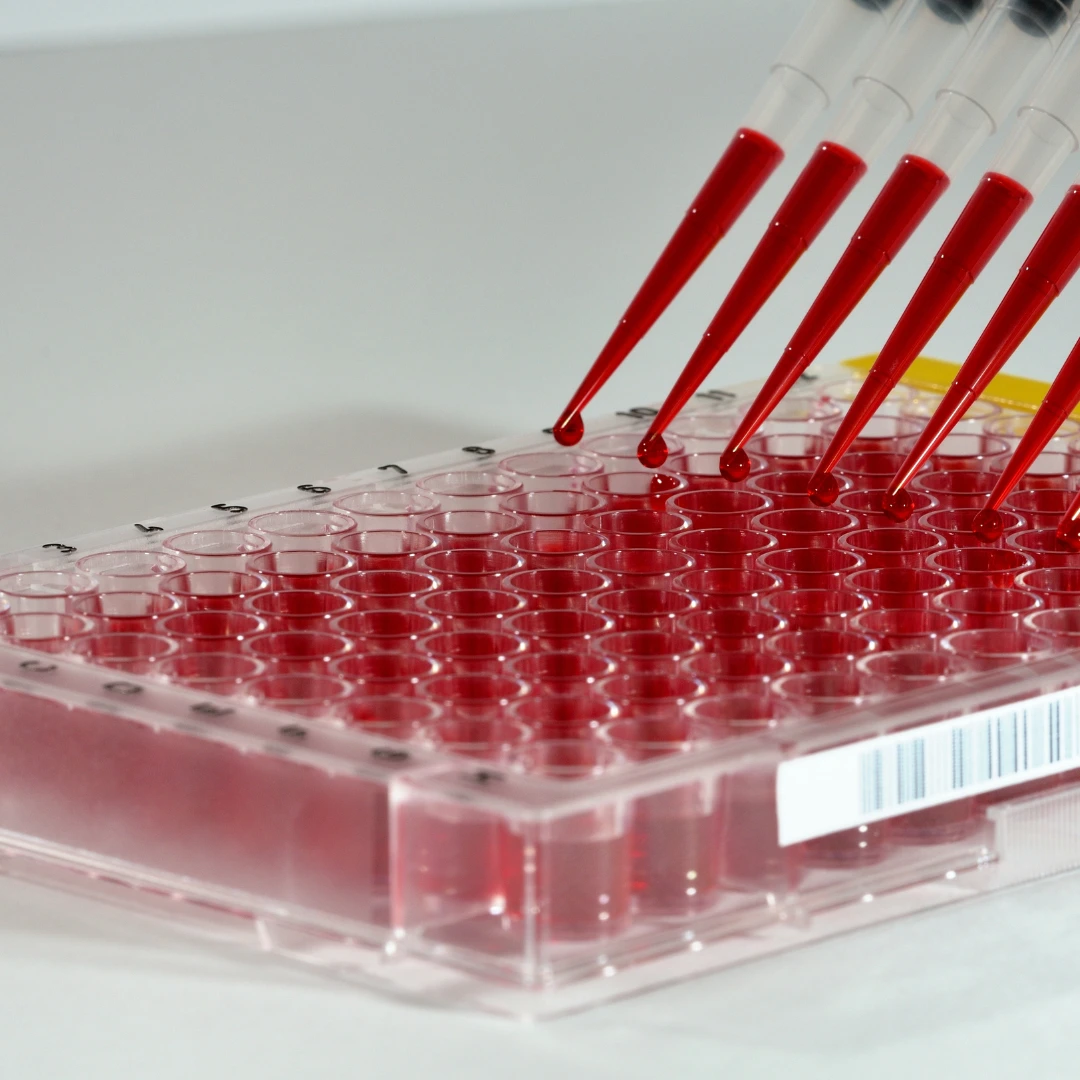
High-throughput screening
A lab-based method that rapidly tests thousands of chemical compounds on biological targets such as cells, proteins, or biochemical systems, using robotics and automation to measure biological responses to different compounds.
Example: Researchers at the university of otago used high-throughput screening to analyse over 113,000 substances using human cell lines to identify potential new cancer treatment compounds.
Human and animal volunteers
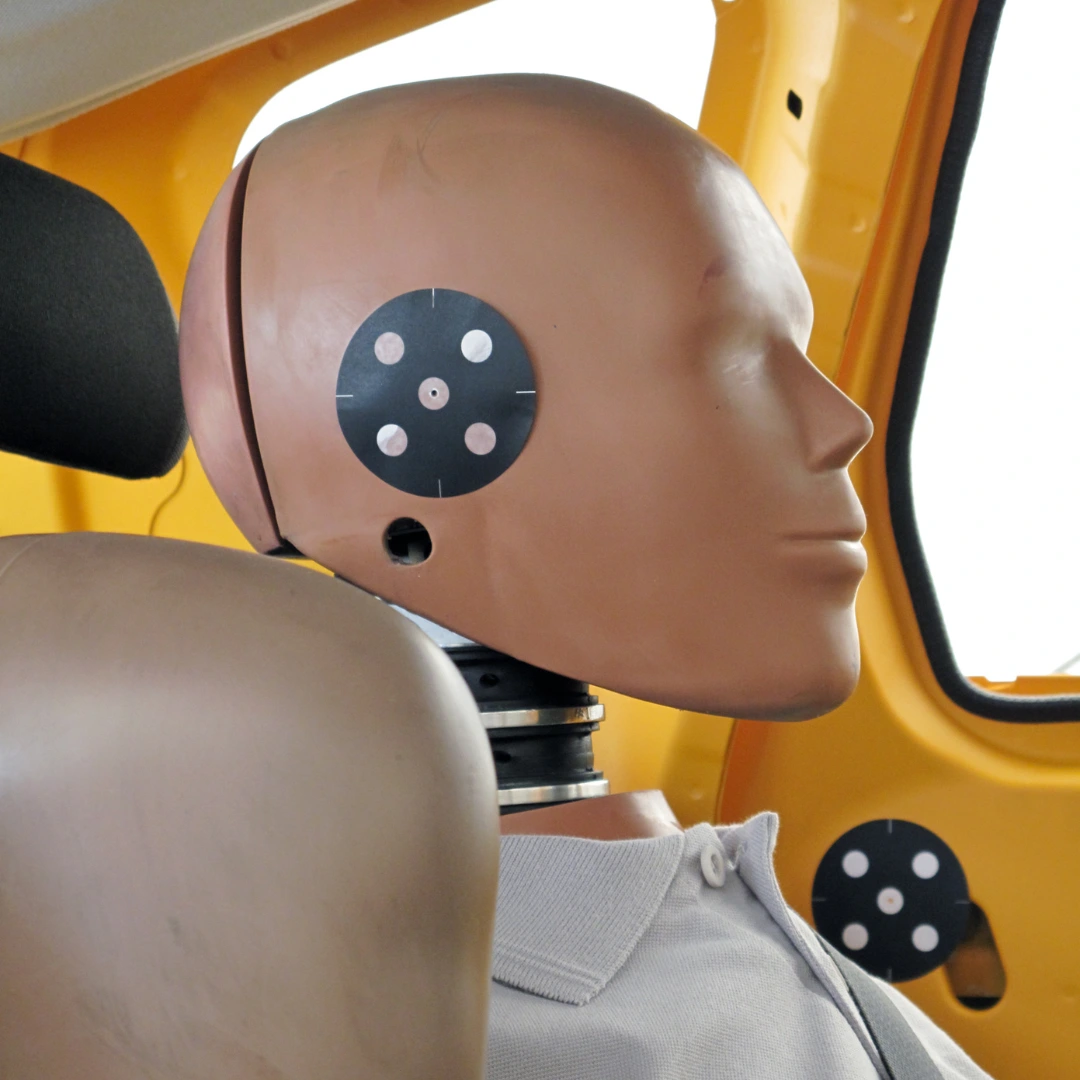
These technologies use advanced software and programmable machines to replicate real-world scenarios, predict outcomes, and evaluate product safety and performance.
Example: THOR (Test device for Human Occupant Restraint) is a high-tech robotic crash test dummy used to improve vehicle safety. It combines robotics and sensors to closely mimic the human body, allowing detailed computer analysis of how people might be affected in a crash. Live pigs have been used as crash test dummies in vehicle safety experiments. THOR offers a non-harmful, advanced alternative that replaces this outdated method.
Teaching alternatives
- Models, mannequins and simulators
- Clinics with animal patients
- Ethical field studies
- Ethically sourced animal cadavers, organs and tissue
- Computer simulation, augmented and virtual reality
- Computer programs
- In vitro labs
- Other
Models, mannequins and simulators
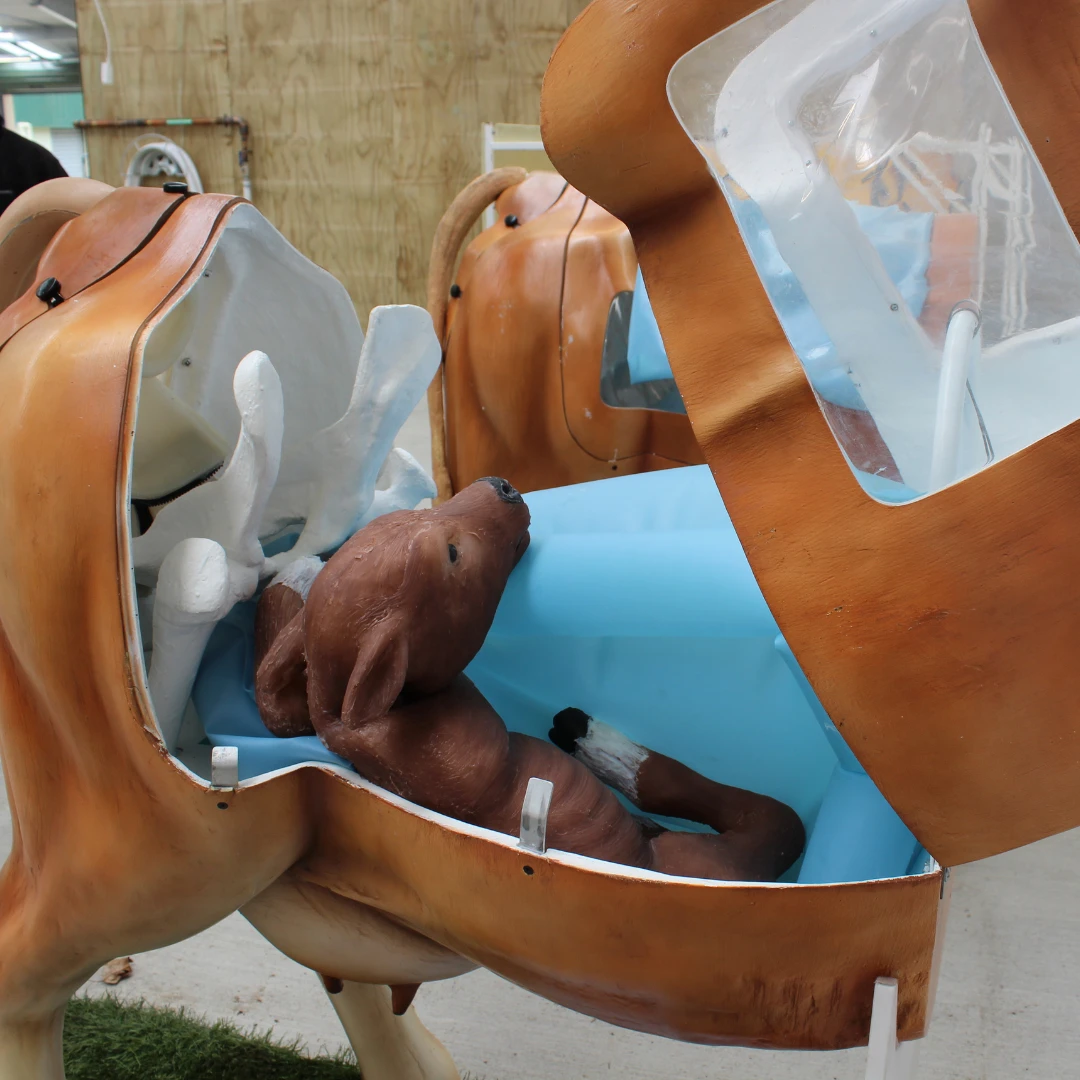
These are realistic replicas used in medical, veterinary and other types of training. Models show static anatomy, mannequins allow hands-on practice, and simulators mimic real patient responses like breathing and pulse.
The interniche alternatives database and the science bank databases list some of the many options that can be used to teach anatomy to students – some simple and some incredibly sophisticated.
Example: Massey University uses many differ models for training vet students (i.e., a life-sized horse mannequin with accessible organs) – they won a LUSH prize in 2024 for their work in this space.
Clinics with animal patients
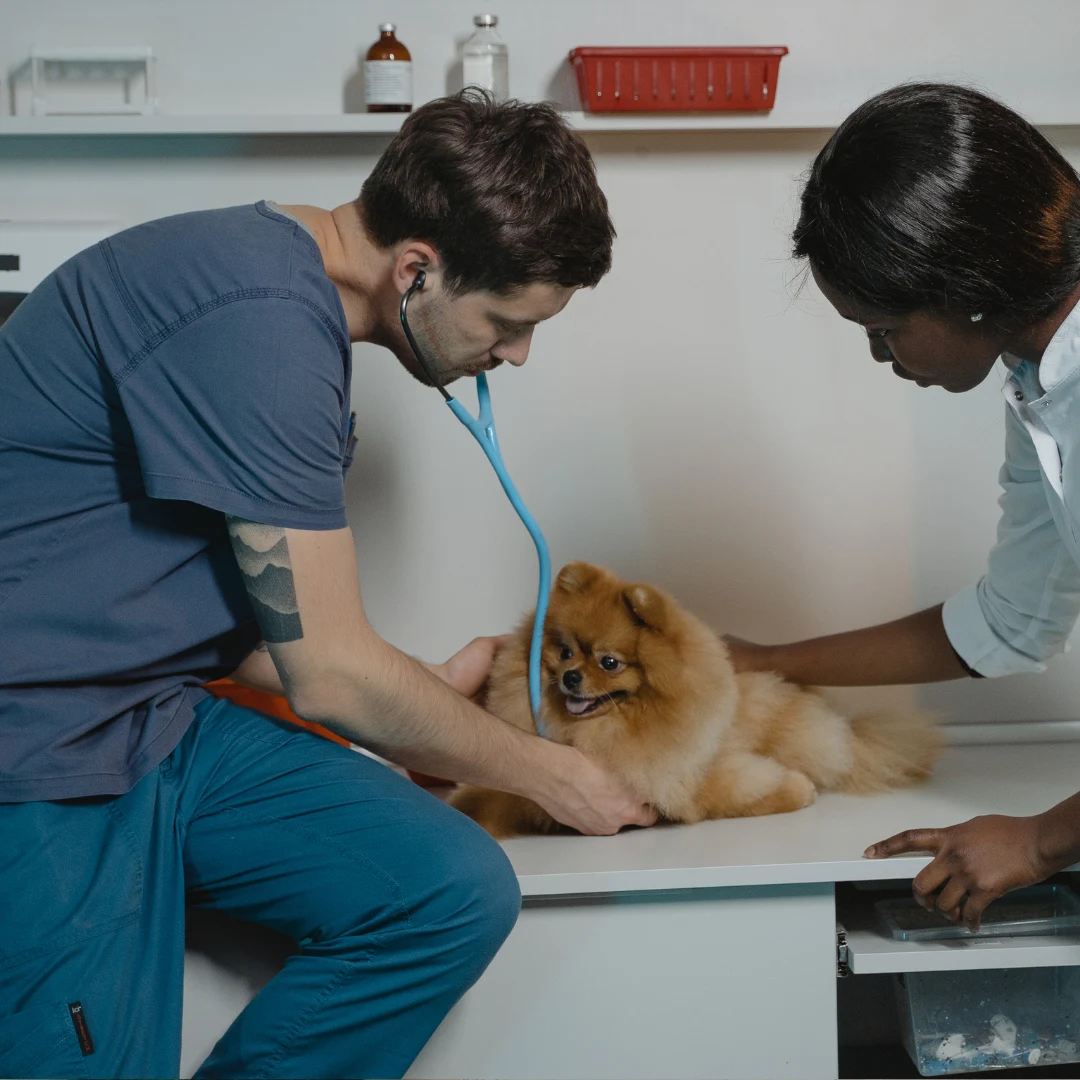
Teaching clinics where veterinary and animal science students gain hands-on experience by working with real animal patients and sometimes volunteer-owned animals. They provide practical training without harming animals, ensuring students develop essential skills in diagnosing, treating, and handling animals ethically.
Example: At Massey University, they have a veterinary teaching hospital. This provides real-world experience and training to final year veterinary students, interns and residents.
Ethical field studies
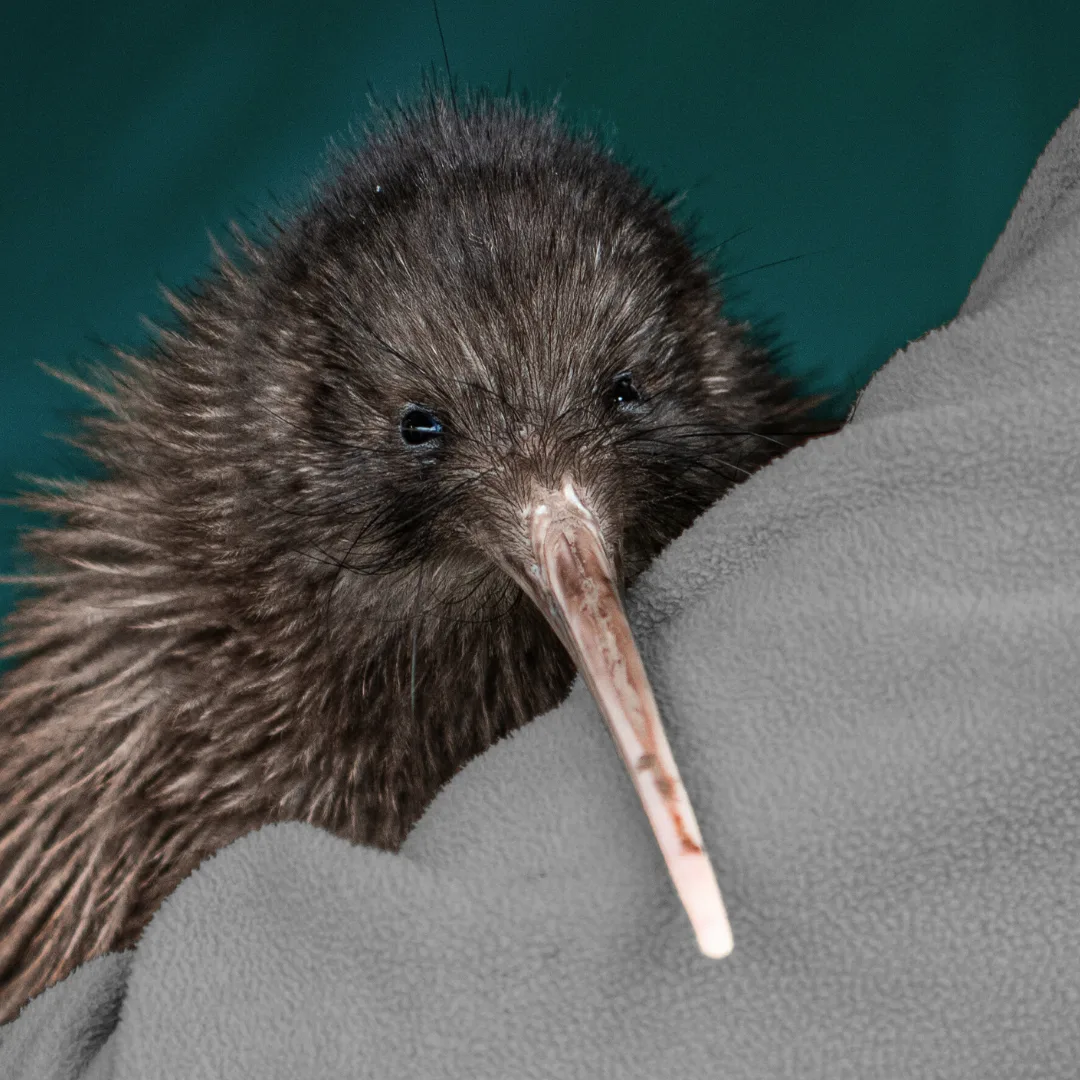
Ethical field studies are hands-on, real-world learning experiences that allow students to observe and study animals in their natural habitats - without harming or disturbing them.
Examples include: Observing animal behaviour and migration, collecting data non-invasively through cameras or tracks, and studying ecosystems without disturbing wildlife.
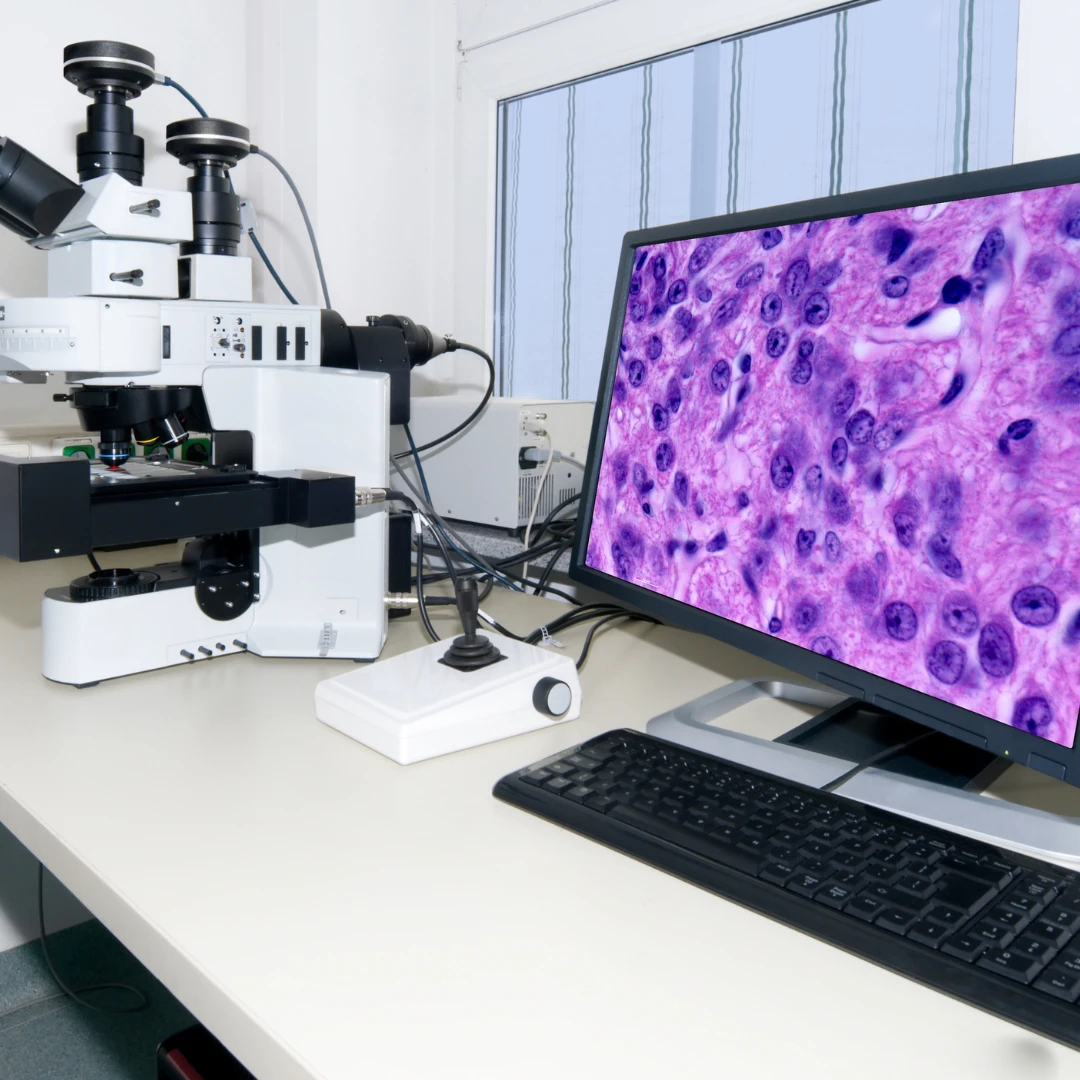
Ethically sourced animal cadavers, organs and tissue
Instead of using animals bred or killed for teaching purposes, ethically sourced cadavers could be used. The source of these must meet specific criteria to be ethically sourced but generally, they come from animals that have died naturally, in accidents, or were euthanised for medical reasons. Interniche has a flowchart to help determine if a cadaver has been ethically sourced here.
Example: Veterinary and zoology students need hands-on experience with real animal tissue to learn anatomy and surgical skills. Ethically sourced cadavers from companion animal donation programs - like those at texas A&M University (USA) and the university of glasgow (UK) can provide this.

Computer simulation, augmented and virtual reality
These technologies offer realistic, interactive learning experiences without using live animals. Computer simulations model biological processes for study and training, while augmented reality (AR) adds digital elements to the real world - allowing users to explore 3D models of organs, cells, or organisms. Virtual reality (VR) takes this further by creating fully immersive environments for activities like virtual dissections or surgical training.
Example: Biosphera offers many different virtual dissections and interactive 3D anatomy models for humans and animals, with layered views and adjustable zoom.

Computer programs
Computer models simulate biological systems or processes, helping students visualise and understand complex concepts - like how the heart pumps blood or how cells divide. They're used in interactive lessons and virtual labs.
Example: Computer-assisted learning (CAL) resources like CALShare, developed by Massey University’s veterinary school, provide students with online access to biological, anatomical, clinical, and physiological learning tools, including videos, tutorials, and interactive demos.
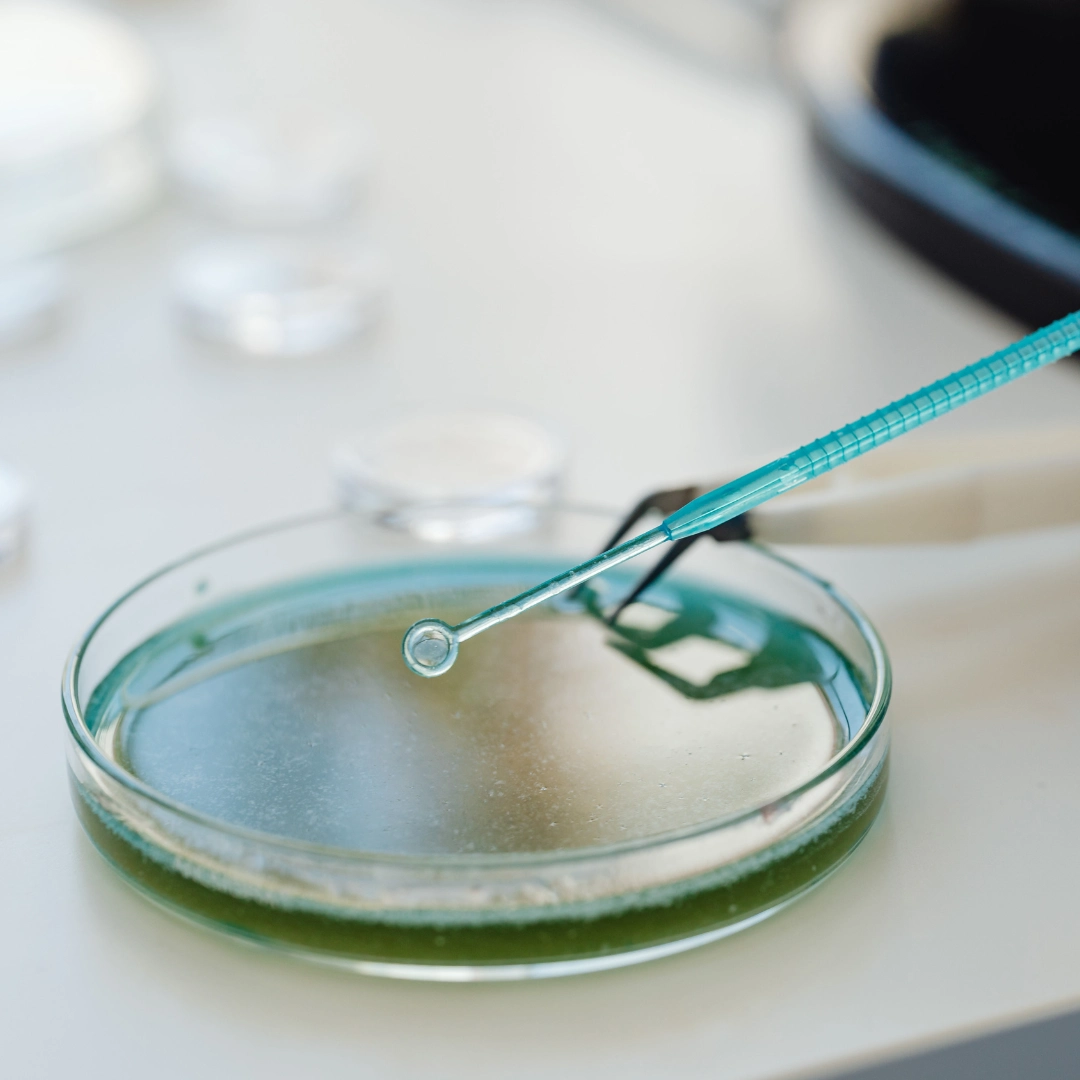
In vitro labs
These are experiments conducted outside of living organisms, typically in test tubes, petri dishes, or other controlled environments. These labs allow students to study biological processes using cell cultures, microorganisms, or tissue samples instead of live animals.
Example: Instead of using rat liver for studying cell respiration or electron transport, students can use plant-based alternatives like yeast, potato, or beet. These provide the same scientific insights without harming animals.
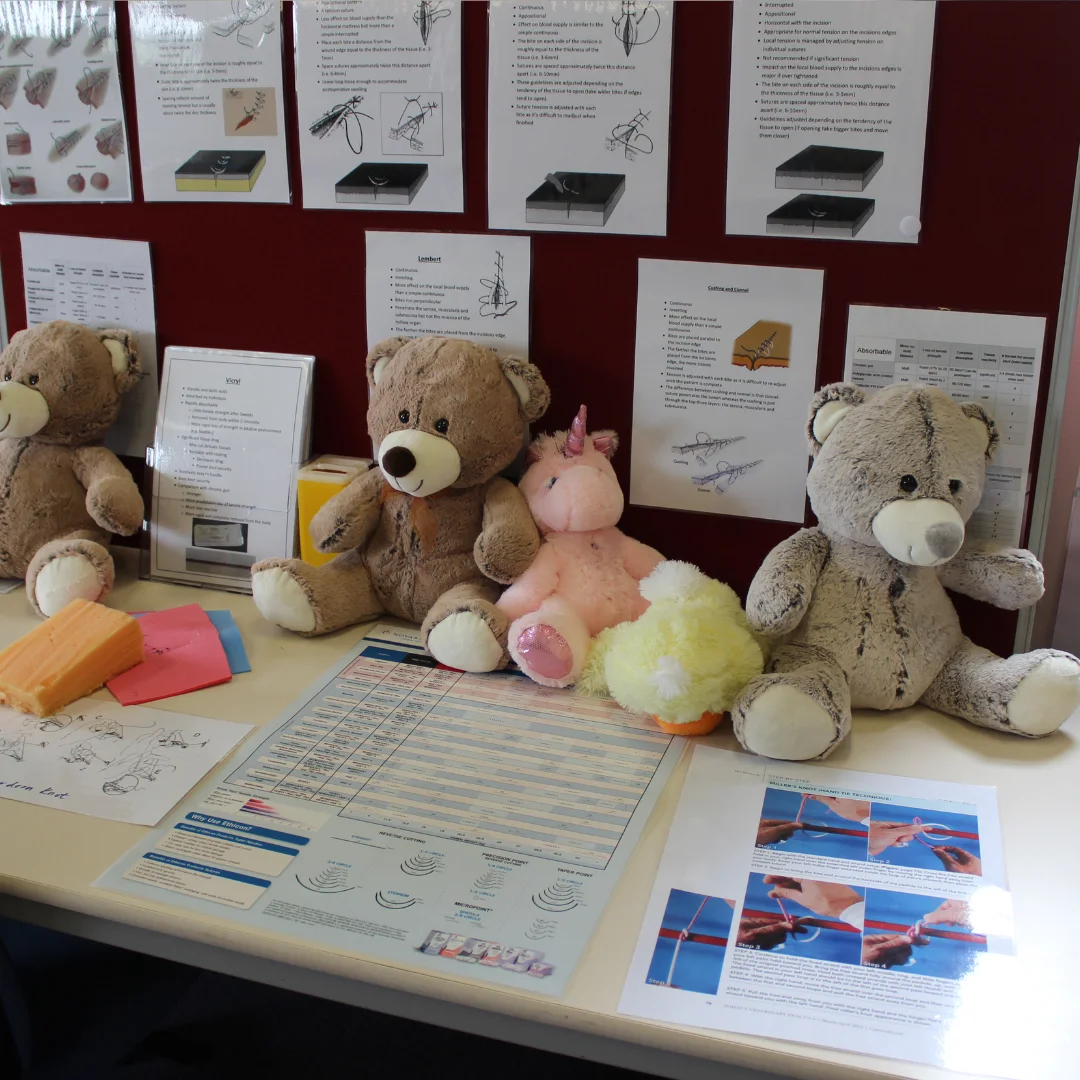
Other
A wide range of creative tools can replace animal use in teaching. These include board games, basic or more detailed paper cut-outs for interactive biology lessons, educational films and videos, and low-cost, handmade models.
Example: At Massey University, students have practiced surgical skills on old teddy bears or used craft materials to create fake skin - making learning both ethical and effective.
The future of science is free from animal harm
The future of science is one where progress and ethics go hand in hand - where research, testing, and teaching methods are effective, ethical, and entirely free from animal harm.
Frequently asked questions
Why is animal testing still happening today?
Animal testing continues largely because the wider system around it has been built over decades and cannot be switched off overnight.
Progress is slowed by a range of systemic barriers, including outdated laws and regulations, limited funding for animal-free methods, and research systems that still rely heavily on traditional animal models.
Often, scientists would prefer access to more effective and ethical tools, but the system has not yet fully evolved.
At BAR, we are dedicated to removing these barriers together with the science community and our supporters.
Learn more about these challenges on our What’s Stopping Progress page.
Are animal-free alternatives available in New Zealand?
Yes. BAR is aware of a number of researchers across New Zealand who are already using or developing non-animal methods such as organoid models, advanced imaging techniques and computational modelling.
Availability is growing, but access, funding, validation pathways and training remain key barriers.
Learn more on our alternatives page.
How reliable are alternatives compared to animal testing?
There is still progress to be made, but there are already clear examples where human-based methods are proving more predictive for people than animal models.
Animal data often fails to translate accurately because of fundamental biological differences between species.
Human-based methods can provide more relevant data in some areas, particularly when carefully designed and used as part of a broader, modern research approach.
For example, researchers have built large databases linking the chemical structure of substances to their toxic effects in humans. Using this data, advanced computer models can predict certain types of toxicity with greater accuracy than traditional animal tests.
Another example is skin allergy testing. Today, human cell-based tests and computer modelling can be used to assess whether ingredients in products like cosmetics or detergents are likely to cause allergic reactions. When combined, these human-based methods have been shown to outperform animal tests in predicting human skin reactions.
What does human-relevant science mean?
Human-relevant science does not mean experimenting on humans. It means designing research around human biology from the beginning, using methods that reflect how human cells, tissues and systems actually function.
This approach prioritises accuracy, ethics and real-world impact while avoiding the harmful use of animals.
How can I help end animal testing in New Zealand?
Start by learning more and sharing trusted information. Choose genuinely cruelty-free products and support charities like BAR that are working for evidence-based change.
One of the most effective ways to help is by backing the experts working on this issue through BAR’s Founding 500.